TWS is a Great Training Option for Everyone
Learn more about how we can prepare you to advance your career.
Heating, air conditioning, and refrigeration mechanics and installers earned a median wage of $59,810 in 2024, and the U.S. Bureau of Labor Statistics projects 8% job growth through 2034, faster than the average for all occupations. Texas summers push that demand even higher. Houston, San Antonio, and Dallas all rank among the country’s largest HVAC job markets, and the heating, ventilation, and air conditioning (HVAC) trade keeps homes and businesses running through extreme heat for most of the year.
For anyone exploring how to become an HVAC technician in Texas, the path runs through training, certification, and state registration. Here’s how each step works.
Why the HVAC Trade Fits Texas
Most people get into HVAC through one of two routes: a trade school program or a multi-year apprenticeship. Both lead to the same destination, but a program built around hands-on lab time tends to move faster. Texas HVAC technicians work on residential cooling systems, commercial refrigeration, and industrial climate control, often switching between indoor and outdoor jobsites depending on the season.
10 Steps to Becoming an HVAC Technician in Texas
As the second largest state in the U.S. with high summer temperatures in its major cities of Houston, San Antonio and Austin, Texas is one of the leading job markets for HVAC technicians—and the skilled trades in general.4,5,6
Have You Considered a Career in the Skilled Trades?
Fill out the form to recieve a no obligation info packet.
So how can you land a job with one of Texas’ HVAC service companies or even become a contractor?
Consider taking these 10 steps.
Some are required by state or federal law.
Some are common to the job search process in any field.
Others are recommended for advancement in the HVAC industry.

New: Industrial Maintenance
Learn About Our New Advanced Industrial Maintenance Program
Tulsa Welding School is proud to announce our newest program offering available at our Houston & Dallas Metro Campuses – Advanced Industrial Maintenance Technology! Learn the skills you need to take on the industries of manufacturing, distribution, energy production and facility maintenance in as few as 7 months.

Step 1: Start Preparing for an HVAC Career in High School
Vocational education, math, and physics courses give future HVAC techs a head start, since the work involves load calculations, electrical troubleshooting, and reading wiring diagrams. Exposure to basic plumbing and electrical concepts helps too, even before formal HVAC training begins.

Step 2: Graduate from High School or Earn Your GED
A high school diploma or GED is the baseline requirement for HVAC training programs and most entry-level HVAC jobs in Texas.
Step 3: Complete an HVAC Program at a Trade School
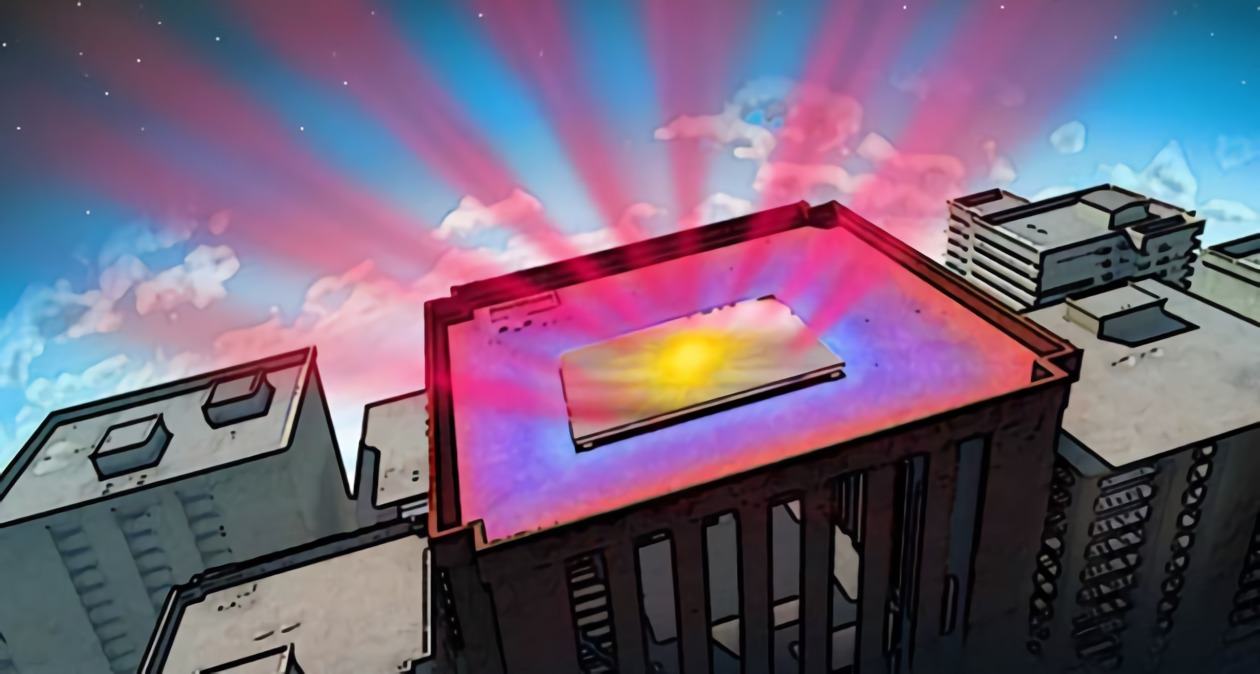
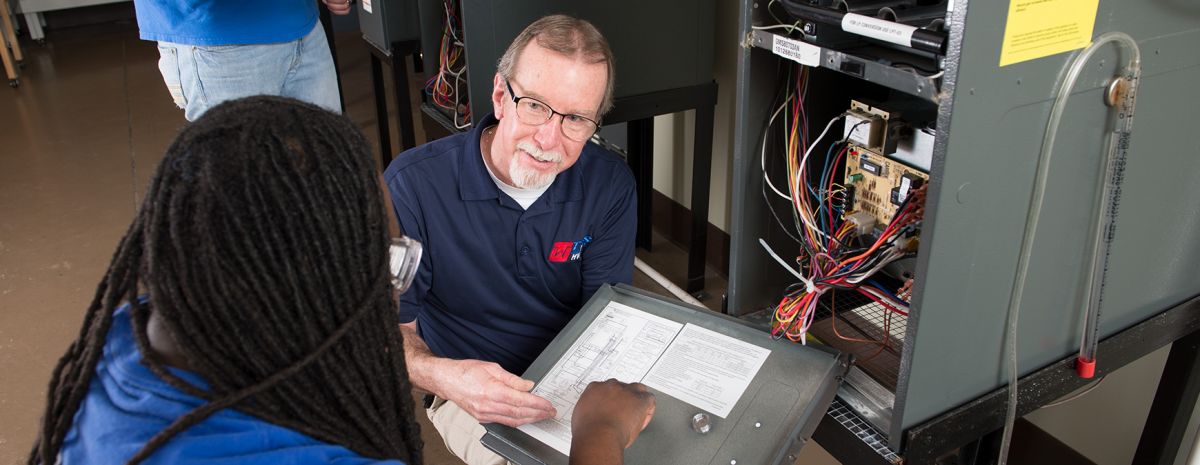
Postsecondary HVAC programs generally run from six months to two years. Tulsa Welding School’s Refrigeration Technologies program covers the fundamentals of heating, ventilation, air conditioning, and refrigeration in as little as seven months, with morning, afternoon, and evening class options for students balancing work or family.

Step 4: Earn EPA Section 608 Technician Certification
Federal law requires nearly every HVAC technician to hold EPA Section 608 certification before handling refrigerants. The exam is typically built into a postsecondary HVACR program, so most students complete it before graduation.

Step 5: Prepare Your Resume and for Job Interviews
This step is pretty universal to the job search process. Fortunately, there are many online resume building tips for skilled trades school graduates. You may also be able to receive help with job interview prep from your trade school’s Career Services Department.

Step 6: Network and Use Job Boards
Local HVAC contractors, trade associations, and your school’s career services office are usually faster routes to a first job than general job boards alone.
Step 7: Land an HVAC Job
Securing a position under a licensed contractor is the step that unlocks state registration in Texas, since registration requires sponsorship from an employer.

Step 8: Meet Texas HVAC Certification and Licensing Requirements
HVAC certification in Texas works on two tracks through the Texas Department of Licensing and Regulation (TDLR):
- Registered Technician. Anyone assisting a licensed contractor with air conditioning and refrigeration maintenance or repair must register as a technician for a $20 fee. This is the entry point for most new HVAC techs and does not require prior experience.
- Certified Technician. After 24 months of supervised experience or a department-approved 2,000-hour training program, technicians can apply for a certified technician designation, a voluntary step that often leads to higher pay and more responsibility.
A Texas HVAC license at the contractor level requires 48 months of supervised experience (or 36 months plus 12 months as a certified technician) and is a separate credential from the technician registration above. Most new graduates work for years as registered or certified technicians before reaching that point.
Step 9: Complete On-the-Job Training
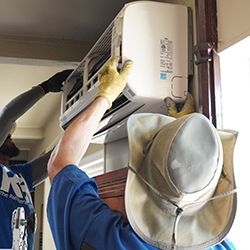
New HVAC techs typically start with basic tasks, like insulating refrigerant lines or cleaning furnaces, before moving on to soldering pipe and checking electrical circuits as they gain experience.

Step 10. Continuing HVAC Education and Industry Certifications
Manufacturer training and NATE certification keep working technicians current on new equipment and refrigerants. Tulsa Welding School’s guide to continuing HVAC education covers how graduates typically build on their initial training.
Complete HVAC Training in Houston, Texas
How Long Does the Whole Process Take?
A trade school program plus the time needed to reach Registered Technician status can put a new HVAC tech to work within a year. Reaching a full Texas HVAC license at the contractor level, by contrast, takes several years of supervised field work on top of training, which is why most people start with registration and build experience from there. For a closer look at what training costs in Texas, see this breakdown of HVAC school costs, and for a side-by-side comparison of training paths, trade school versus on-the-job training breaks down the tradeoffs.
Ready to start? Tulsa Welding School’s Refrigeration Technologies program trains students at the Houston and Dallas Metro campuses in as little as seven months. Request information to see class schedules at the campus nearest you.