TWS is a Great Training Option for Everyone
Learn more about how we can prepare you to advance your career.
Completing an HVAC training program may feel like a big step in one’s career, but it may only be the beginning of your professional journey.
The field of heating, ventilation, air conditioning, and refrigeration (HVAC/R) is constantly evolving. As new technologies enter the market and regulations shift, HVAC careers demand technicians who stay sharp and up to date. That’s why continuing HVAC education may be a smart strategy for long-term success.
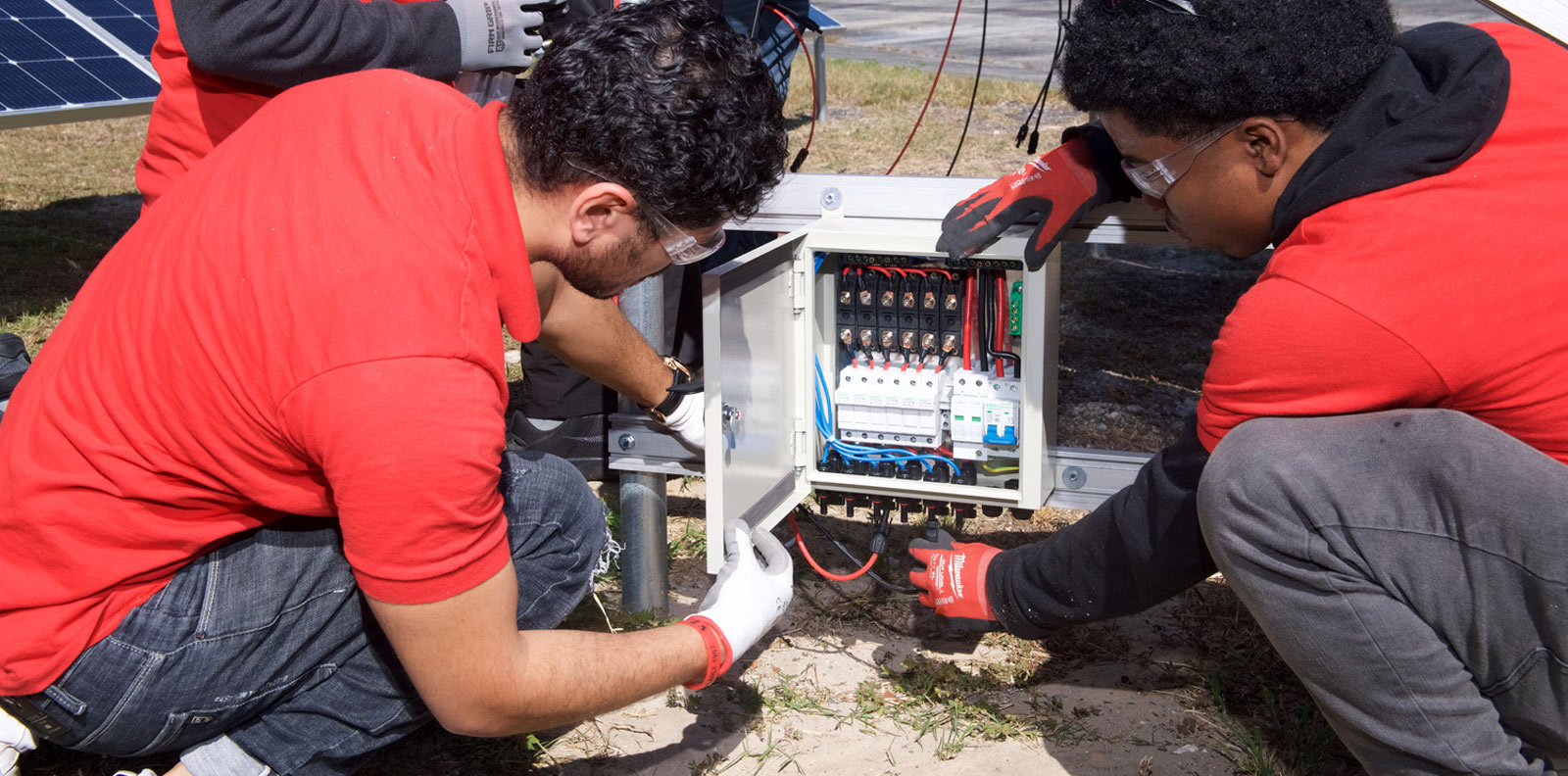
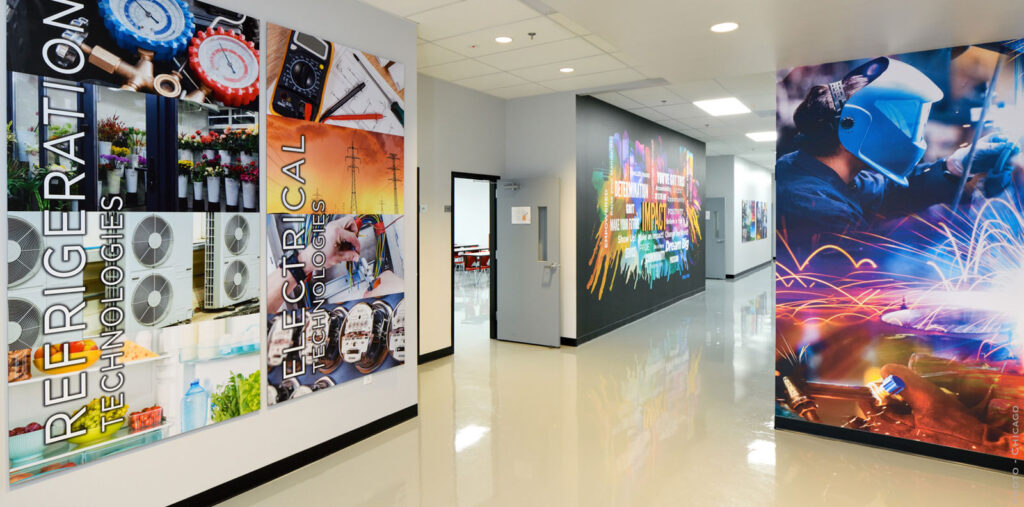
At Tulsa Welding School, the Refrigeration Technologies program helps students develop foundational skills in just 7 months. This hands-on training prepares you for entry-level work in residential, commercial, or industrial HVAC settings. But for those looking to grow their expertise, broaden their job options, or increase their earning potential, the learning doesn’t stop there.
Understanding the Types of HVAC Jobs Available
Once you complete your HVAC training, you’ll have access to a wide range of job opportunities. HVAC careers are not one-size-fits-all. Depending on your interests and continued training, you can specialize in installation, maintenance, system design, energy efficiency, or refrigeration.
Have You Considered a Career in the Skilled Trades?
Fill out the form to recieve a no obligation info packet.
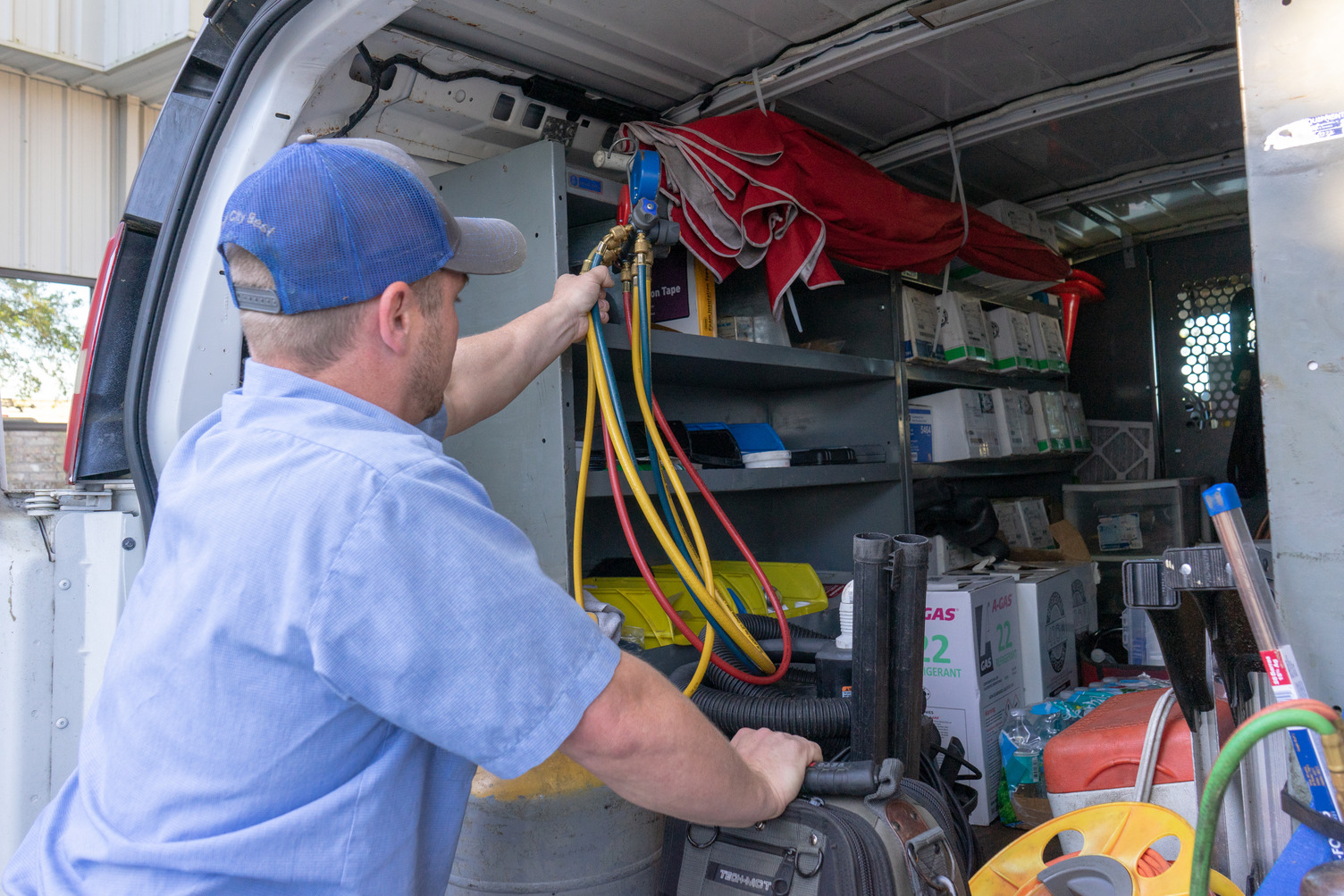
Technicians may choose to work in residential environments, where they install and service heating and cooling systems for homes. Others prefer commercial or industrial settings, maintaining complex climate control systems in office buildings, factories, hospitals, or data centers. Some HVAC technicians focus entirely on refrigeration, working with supermarket cooling systems or commercial freezers.
Licensing requirements and certifications vary by state and job type, which is another reason why HVAC continuing education is important. Staying compliant and competitive requires a commitment to keeping your skills current.
HVAC Continuing Education: Why It Matters
As the HVAC industry embraces smart technology, green energy, and advanced diagnostic systems, the demand for trained professionals who understand the latest tools continues to rise¹. Continuing education for HVAC helps technicians stay current with:
- Environmental regulations and LEED certifications
- Smart thermostats and home automation
- High-efficiency HVAC system design
- Advanced troubleshooting techniques
- Industry certifications like EPA Section 608
How LEED Pertains to HVAC
An HVAC system for a LEED-certified building should have the Environmental Protection Agency’s ENERGY STAR label, an international standard for energy-efficient products. The higher the rating is, the more efficient the system. An HVAC professional can help determine which unit is the most eco-friendly in relation to the size of the building. The unit will save the building owner money on energy bills and will help the environment by wasting fewer resources. Another valuable part of the HVAC system is air filtration: a factor of certification, proper ventilation benefits occupants’ health, in particular, those with asthma or allergies.
HVAC equipment will influence the score the building receives. In fact, two different scoring categories that make up 40 percent of the points pertain to HVAC: Energy and Atmosphere (EA) and Indoor Environmental Quality (IEQ). The Energy and Atmosphere category is worth up to 38 points while Indoor Environmental Quality is worth 21 points. In other words, if your building receives 50 points on the grading scale, 20 percent of those points are from HVAC.
Education Built for a Real, Valuable Career
Whether you’re preparing for a new role, meeting licensing requirements, or just trying to stay competitive, investing in ongoing learning shows employers that you’re committed to your trade. It can also open doors to supervisory roles, project management positions, or specialty work in areas like solar HVAC integration or system auditing.
Tulsa Welding School supports this growth mindset. Many of our student success stories highlight how graduates used their foundational training as a launchpad for more advanced careers over time.
Explore Additional Training & Campus Opportunities
If you’re thinking about building on your HVAC foundation, Tulsa Welding School offers multiple pathways. Beyond the Refrigeration Technologies program, our additional training program options include skills that can complement and expand your HVAC expertise, such as electrical technologies and electro-mechanical technologies.
Not sure where to begin? One of the best ways to explore your options is to schedule a campus tour. Seeing the labs, meeting instructors, and getting a feel for the environment can help you decide how to move forward. Whether you’re a recent graduate looking to add to your skill set or a working technician ready to advance, the right training can help you build a future in HVAC that lasts.
Ready to begin? Contact us today to learn more about all of our program options.
- Employment is expected to grow for Heating, Air Conditioning, and Refrigeration Mechanics and Installers (499021) in the U.S. from 441200 to 481300 jobs through 2033 in OK from 5990 to 6450 jobs through 2032 in TX from 32740 to 38430 jobs through 2032 in FL from 36880 to 43120 jobs through 2032 in GA from 12780 to 15030 jobs through 2032. https://www.careeronestop.org – sponsored by the Department of Labor, www.bls.gov, reported as of May 2024. Data pulled April 2025. Visit https://www.tws.edu/oes for specific details and data backups.