TWS is a Great Training Option for Everyone
Learn more about how we can prepare you to advance your career.
Texas summers are brutal. That makes skilled HVAC technicians some of the most in-demand workers in the state, and the career path is more accessible than most people realize. If you are weighing your options after high school, thinking about a career change, or looking to advance in the trades, understanding the HVAC license requirements Texas sets out is the right place to start.
This guide covers every credential level, from first-day registration to full contractor licensing, and explains what HVAC schooling looks like at Tulsa Welding School in Houston.
See what kinds of HVAC certification you could need to ply the trade in the Lone Star State in this article.
Do You Need a HVAC License in Texas?
Yes. The Texas Department of Licensing and Regulation (TDLR) requires everyone performing air conditioning and refrigeration work in the state to be registered or licensed. The specific credential you need depends on your experience level and the type of work you do.
Have You Considered a Career in the Skilled Trades?
Fill out the form to recieve a no obligation info packet.
There are three tiers:
- Registered ACR Technician: Entry-level. You work under the direct supervision of a licensed contractor. No prior experience required, just a completed application and a $20 fee. This is where most people start.
- Certified ACR Technician: Optional, but worth pursuing. After two years working under a licensed contractor, you can apply for certification by completing a TDLR-approved training program of at least 2,000 hours. Certification shortens the path to a contractor license.
- ACR Contractor License: The full license. You can apply after 48 months of supervised work experience within the past 72 months, or after holding a Certified Technician credential for at least 12 months with 36 months of supervised experience. The license application also requires passing a written exam and carrying general liability insurance.
HVAC License Classes in Texas
Once you are eligible for a contractor license, you choose between two classes:
- Class A: Authorizes work on HVAC units of any size.
- Class B: Authorizes work on cooling systems of 25 tons or less and heating systems up to 1.5 million BTUs per hour.
Each license also carries one or more endorsements that define the specific type of work you are qualified to perform.
HVAC License Endorsements
In addition, each HVAC tech must also hold license endorsements, which qualify them for certain types of HVAC contracting. An HVAC tech must be endorsed in one or both of the following focus areas:
- Environmental Air Conditioning: This endorsement qualifies the HVAC tech to treat environmental air controls for temperature, humidity, cleanliness, ventilation and circulation.
- Commercial Refrigeration: The Commercial Refrigeration Endorsement qualifies the HVAC tech to use mechanical equipment to control temperature or humidity in a specific space in a commercial building.
- Process Cooling or Heating: The Process Cooling or Heating Endorsement qualifies the HVAC tech to control temperature, humidity and cleanliness for production and operation of equipment.
NOTE: HVAC techs will need to have either the Environmental Air Conditioning endorsement or both the Commercial Refrigeration and Process Cooling or Heating endorsements. It is possible to have all three endorsements.
Entry-level HVAC workers don’t need a license as long as they are registered with the state as working under the direct supervision of a licensed contractor.
EPA Section 608 Certification: A Federal Requirement
Separate from TDLR registration, any technician who purchases, handles, or works with refrigerants must hold EPA Section 608 certification. This is a federal requirement that applies in every state.
There are four certification types under Section 608:
- Type I: Small appliances containing five pounds of refrigerant or less
- Type II: High-pressure systems
- Type III: Low-pressure systems
- Universal: Covers all three categories
Most HVAC technicians pursue Universal certification since it covers the broadest range of equipment. The exam fee runs $20 to $40 depending on the testing provider, and certification does not expire.
How Do I Get HVAC Certified in Texas?
Every HVAC technician must have EPA certification to work with refrigerants anywhere, including Texas.
You can only get an HVAC license if you meet either of these requirements:
- You’ve worked for at least 48 months under the supervision of a licensed HVAC contractor in the past 72 months.
- You’ve been a Certified Technician for at least 12 months, and you have also worked 36 months under a licensed HVAC contractor.
HVAC Technician Registration vs. HVAC Technician Certification
If you haven’t been working long enough to be eligible for a license, you would need to start by first getting a Technician Registration or Certification.
- HVAC Technician Registration
Technician Registration means simply letting the state know that you are working as an HVAC technician under the supervision of a licensed HVAC contractor. You only need to be 18 years or older to be a Registered Technician. Essentially, as soon as you start working at an HVAC job, you need to register with the Texas Department of Licensing and Regulation.
- HVAC Technician Certification
Technician Certification is optional, but it is a step in between Registration and License. Being a Certified Technician means you have some level of work experience or training. You might have relevant military, on-the-job or HVAC training experience.
EPA HVAC Technician Certification
A federal regulation requires anyone who buys, handles or works with refrigerants to obtain certification from the Environmental Protection Agency (EPA).
How Long Does It Take to Get HVAC Certified in Texas?
- HVAC Technician Registration
To start working as an entry-level Registered HVAC Technician, you would simply need to submit an application, along with the $20 fee, to the Texas Department of Licensing and Regulation (TLDR).
- HVAC Technician Certification
To work as a Certified HVAC Technician, you would need to have completed 24 months of work experience under a licensed contractor, completed an approved technical training program of at least 2,000 hours or have relevant military experience. You would need to contact TLDR to find out about department-approved training programs.
HVAC Training in Texas at Tulsa Welding School
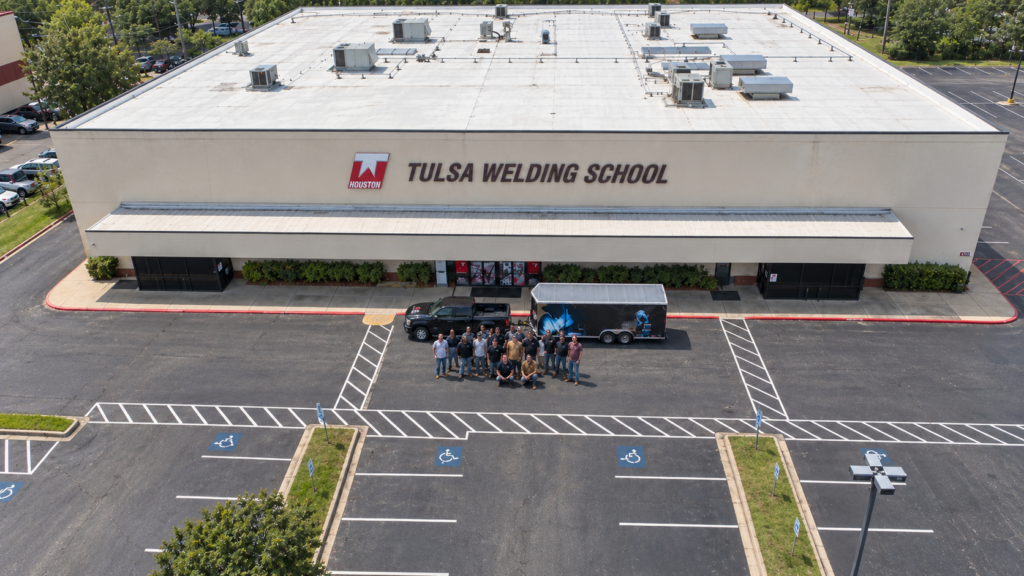
TWS’s Refrigeration Technologies program in Houston is designed to get you job-ready as a Registered ACR Technician in as few as seven months. The program offers both day and evening classes, which works for students managing jobs, family, or other obligations while in school.
Program Courses
- Fundamentals of Refrigeration
- Fundamentals of Electricity
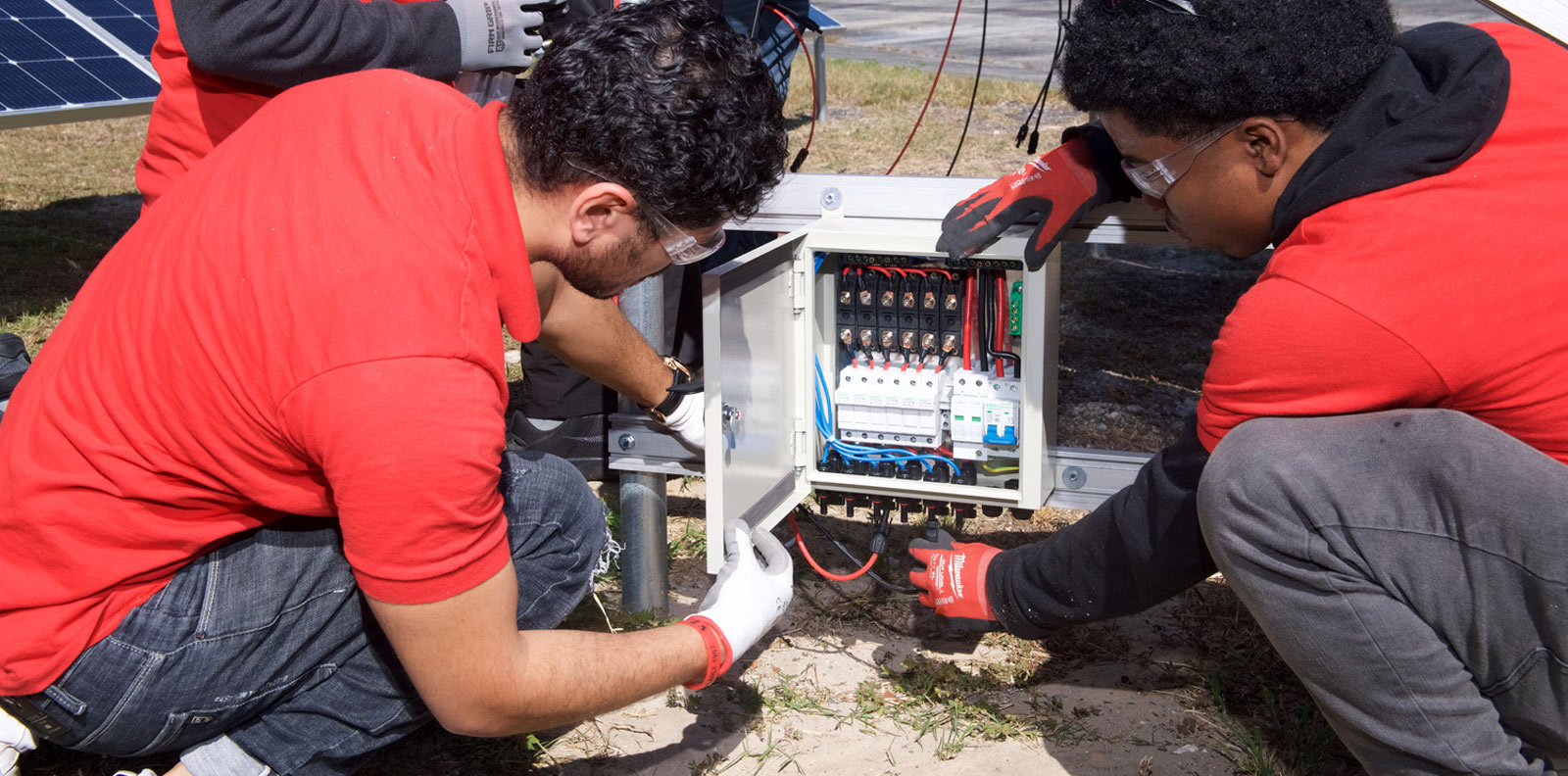
- Fundamentals of Solar
- Commercial Comfort Systems
- Residential Comfort Systems
- Advanced Troubleshooting Techniques
- Refrigeration Systems and Practices
Every course combines classroom instruction with hands-on lab work. You will train on the same types of equipment you will encounter on the job, so the transition from school to the field is direct.
Financial aid is available for those who qualify, and admissions advisors can walk you through the options.
Start Your HVAC Training at TWS
If you are ready to take the first step toward an HVAC career in Texas, TWS’s Houston campus is ready to help. Talk to an admissions advisor about program schedules, financial aid, and what to expect in your first weeks of HVAC training in Texas.
Call us today or contact our admissions team today to get started.
This blog has been labeled as archived as it may no longer contain the most up-to-date data. For a list of all current blog posts, please visit our blog homepage at https://www.tws.edu/blog/