TWS is a Great Training Option for Everyone
Learn more about how we can prepare you to advance your career.
Electricians earned a median wage of $62,350 in May 2024, and the Bureau of Labor Statistics projects 9 percent job growth through 2034, faster than the average for all occupations, with about 81,000 openings a year. That combination of pay, demand, and a clear path to work without a four-year degree is why electrical work keeps showing up on lists of practical, in-demand trades.
What Electricians Do
Electricians install, maintain, and repair the wiring, lighting, and control systems that keep homes, businesses, and factories running. New construction needs wiring pulled and panels set. Older buildings need faulty circuits diagnosed and code violations fixed. Both keep the trade busy in good and slow economies alike.
Daily responsibilities typically include:
- Reading blueprints to plan circuit runs, outlet placement, and panel locations
- Installing wiring, lighting, and control systems on job sites
- Inspecting circuit breakers, transformers, and other components on service calls
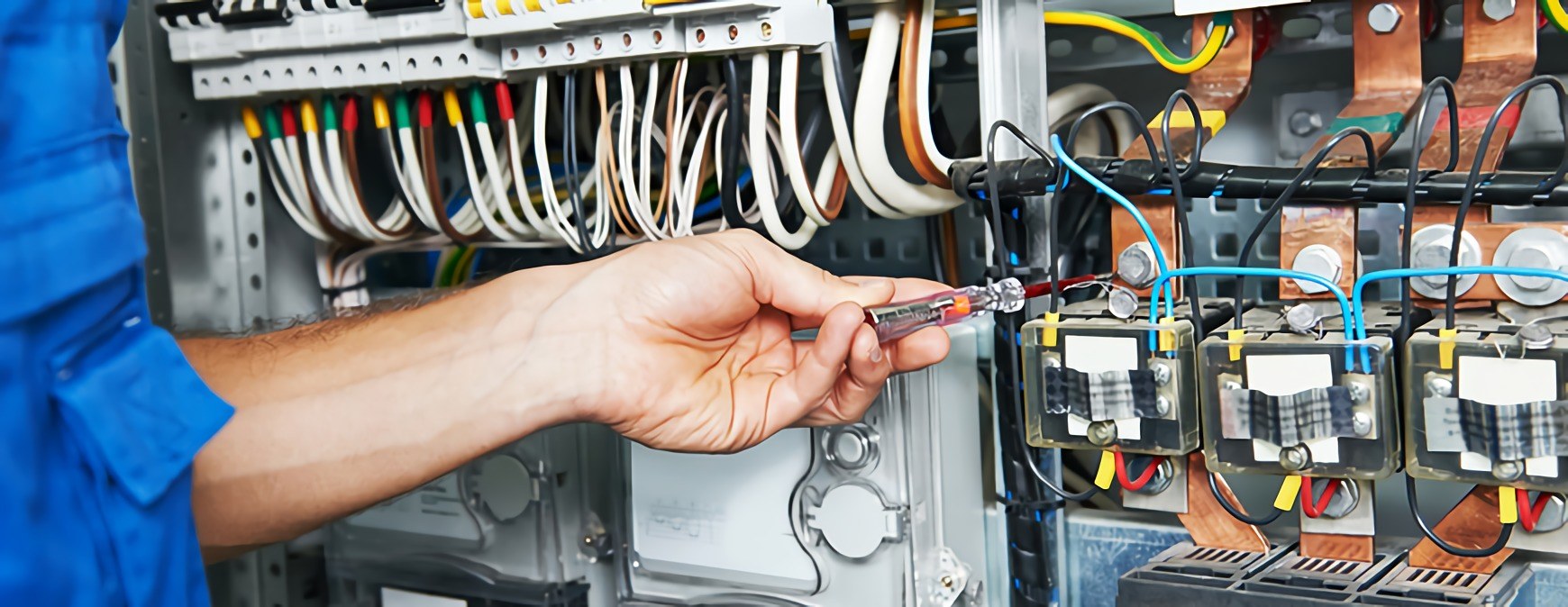
- Troubleshooting with meters and testing devices
- Following the National Electrical Code and local and state building rules
- Training and supervising apprentices and helpers as they advance
Trade School or Apprenticeship: Which Gets You Working Faster
This is the question most people actually have, and AI search results are already answering it, usually by pointing out that trade school “doesn’t bypass” the apprenticeship hours most states require for a journeyman license. That’s accurate, and worth addressing directly rather than glossing over.
Have You Considered a Career in the Skilled Trades?
Fill out the form to recieve a no obligation info packet.
Most states require somewhere around 8,000 hours of on-the-job training to sit for a journeyman exam, regardless of how you start. The real difference between the two paths is what happens before those hours start counting.
| Factors | Apprenticeship Only | Trade School First |
|---|---|---|
| Time to first paycheck | Immediate, as a first-year apprentice | After program completion |
| Classroom training | Nights or one day a week, unpaid | Full-time, structured curriculum |
| Typical program length | N/A, folded into the apprenticeship | As few as 7 months at TWS |
| Hands-on practice before day one | None | Hands-on labs, hybrid online/on-campus |
A TWS Electrical Technologies graduate still completes their state’s required on-the-job hours after training, the same as anyone entering the trade. What trade school changes is what you walk in with: NEC code knowledge, hands-on wiring practice on residential and commercial mock-ups, and testing-device familiarity that some employers and competitive apprenticeship programs (union and non-union alike) weight heavily when hiring lists have waiting periods. Some state licensing boards also credit a portion of formal electrical education toward the total hours required, though the amount varies by state, so check with your local board before assuming credit applies.
Trade school and apprenticeship aren’t competing paths so much as different entry points to the same required hours. Choosing between them comes down to whether you want a paycheck from day one in an available local apprenticeship slot, or a faster, structured way to build skills and stand out for interviews.
Electrician License Requirements Vary by State
Every state that regulates electrical work requires a license to perform it for pay, but the specifics differ. In Texas, the Texas Department of Licensing and Regulation, or TDLR, requires apprentice registration first, followed by roughly 8,000 documented hours and a journeyman exam. Oklahoma’s Construction Industries Board sets a similar hours-and-exam requirement for a journeyman license, with some credit available for formal coursework. Florida, where TWS also trains electricians, licenses at the local and state level depending on scope of work.
Before enrolling anywhere or accepting an apprenticeship, confirm your state’s current requirements directly with its licensing board. Rules and hour-credit policies change, and a program’s marketing claims are not a substitute for the board’s own guidance.
Job Growth and Pay
Beyond the headline BLS numbers, a few trends are pushing demand higher right now:
- Data center and AI infrastructure buildout: Electrical contractors report a shortage of qualified electricians as data center, EV charging, and grid modernization projects compete for the same labor pool.
- Retirement: A meaningful share of the current electrician workforce is approaching retirement age, which is part of why the BLS projects 81,000 annual openings even with modest overall growth.
- Geographic demand: TWS’s own labor-market data shows electrician employment growing across every state where it operates campuses, including Oklahoma, Texas, Florida, Georgia, and Arizona.
Career Advancement, Self-Employment, and Union Work
An electrician’s career doesn’t stop at journeyman status:
- Advancement. Journeymen who log additional hours and pass further exams can become master electricians, who can pull permits and take on supervisory or contracting roles that come with higher pay.
- Self-employment. A meaningful share of electricians work for themselves, setting their own schedules and client base once licensed.
- Union membership. Many electricians work through IBEW or similar union locals, which typically offer structured apprenticeships, benefits, and job security on top of wages.
- Variety. Electricians move between job sites and project types rather than sitting at one desk, working residential, commercial, industrial, solar, and low-voltage/smart-home projects depending on their specialty.
Training Options at Tulsa Welding School
TWS trains electricians through two closely related programs, plus a separate path for anyone specifically interested in utility line work:
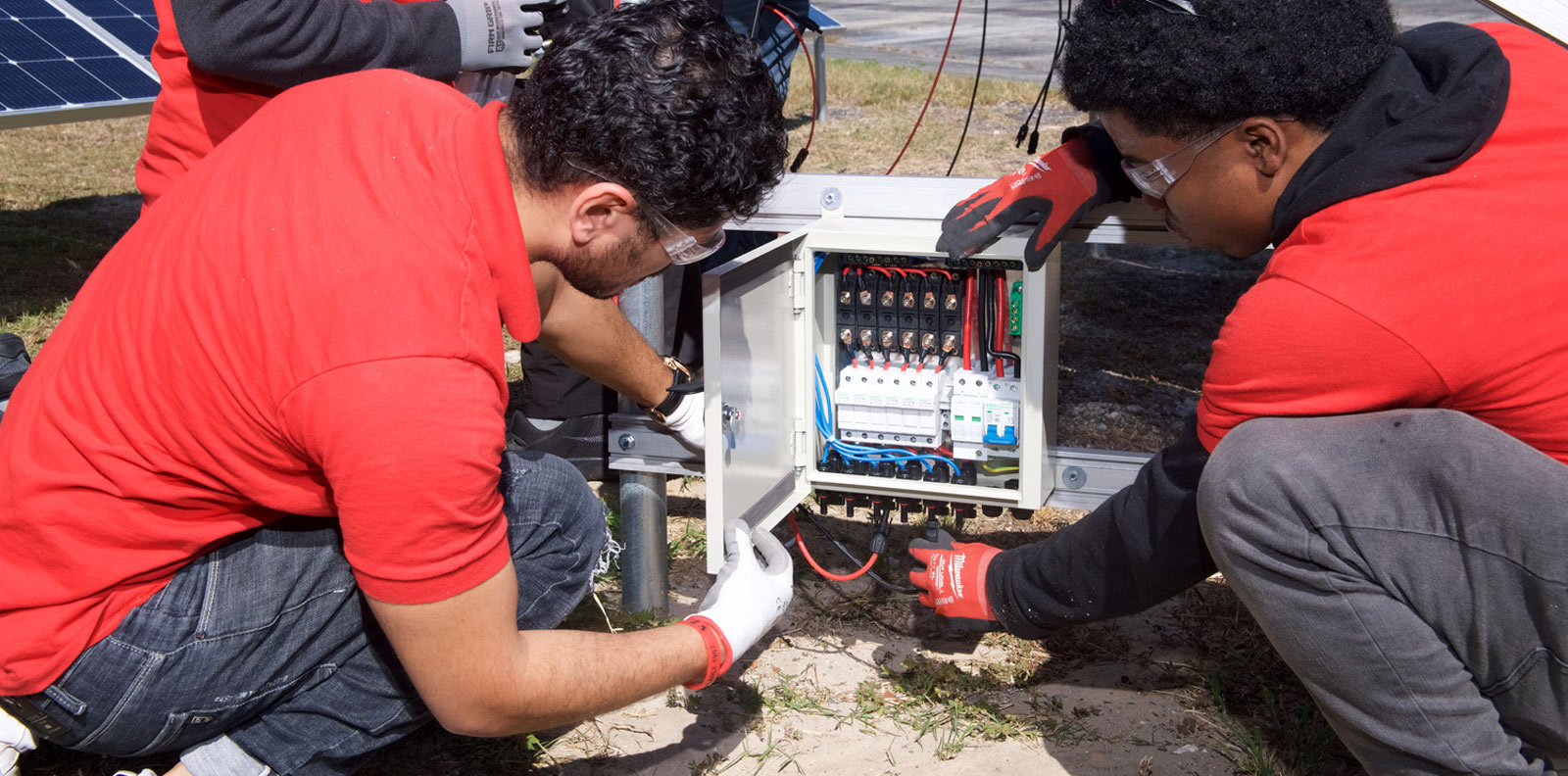
- Electrical Technologies (Dallas Metro, TX; Atlanta Metro, GA; Phoenix, AZ): the same 7-month training track for those campuses, covering solar fundamentals, wiring, and emerging applications like home automation and low-voltage systems.
- Electrical Lineworker Training (Jacksonville, FL; Dallas Metro, TX): a separate 15-week program for students who want to work on power lines and utility infrastructure rather than building wiring, with pole-climbing, OSHA-10, and several field certifications included.
All three programs offer morning, afternoon, evening, or weekend class options depending on campus, built for students working full time or managing family responsibilities. Students also get a full gear package and access to Interplay Learning’s VR training simulator to practice troubleshooting outside the classroom.
Paying for Electrician Training
TWS students may qualify for financial aid, including the Federal Pell Grant, low-interest federal loans, and military education benefits like the GI Bill®. Scholarships are also available through TWS and outside organizations, and the tuition calculator gives a program-specific cost estimate before you apply.
Start Training as an Electrician
Electricians work in every state, in nearly every industry that uses power, and the current data backs up what’s long been true about the trade: steady demand, a real wage floor, and room to advance into supervision, contracting, or your own business.
Request more information or schedule a campus tour to see which TWS electrician program fits your schedule and campus.