TWS is a Great Training Option for Everyone
Learn more about how we can prepare you to advance your career.
Online trade school programs are usually sold on two promises: low cost and a flexible, self-paced schedule. For welding, electrical work, and heating, ventilation, air conditioning, and refrigeration (HVAC/R), that pitch skips over a structural problem the tuition page never mentions.
A screen can confirm that a student watched a lecture. It cannot confirm a clean weld bead, a correctly wired circuit, or a properly brazed refrigerant line, and that gap does not surface during enrollment. It surfaces after graduation, which is exactly where the real cost of a fully online trade certificate hides.
No training program actually grants a trade certification. Third-party bodies like the American Welding Society (AWS) do, and a program’s only real job is to prepare a student for that test.
A fully online format can prepare someone for the written portion of a trade credential, but it physically cannot deliver the hands-on portion these third parties require, and that missing piece is what turns “affordable and self-paced” into a false economy.
Have You Considered a Career in the Skilled Trades?
Fill out the form to recieve a no obligation info packet.
Why an Online Trade School Can’t Teach a Physical Skill
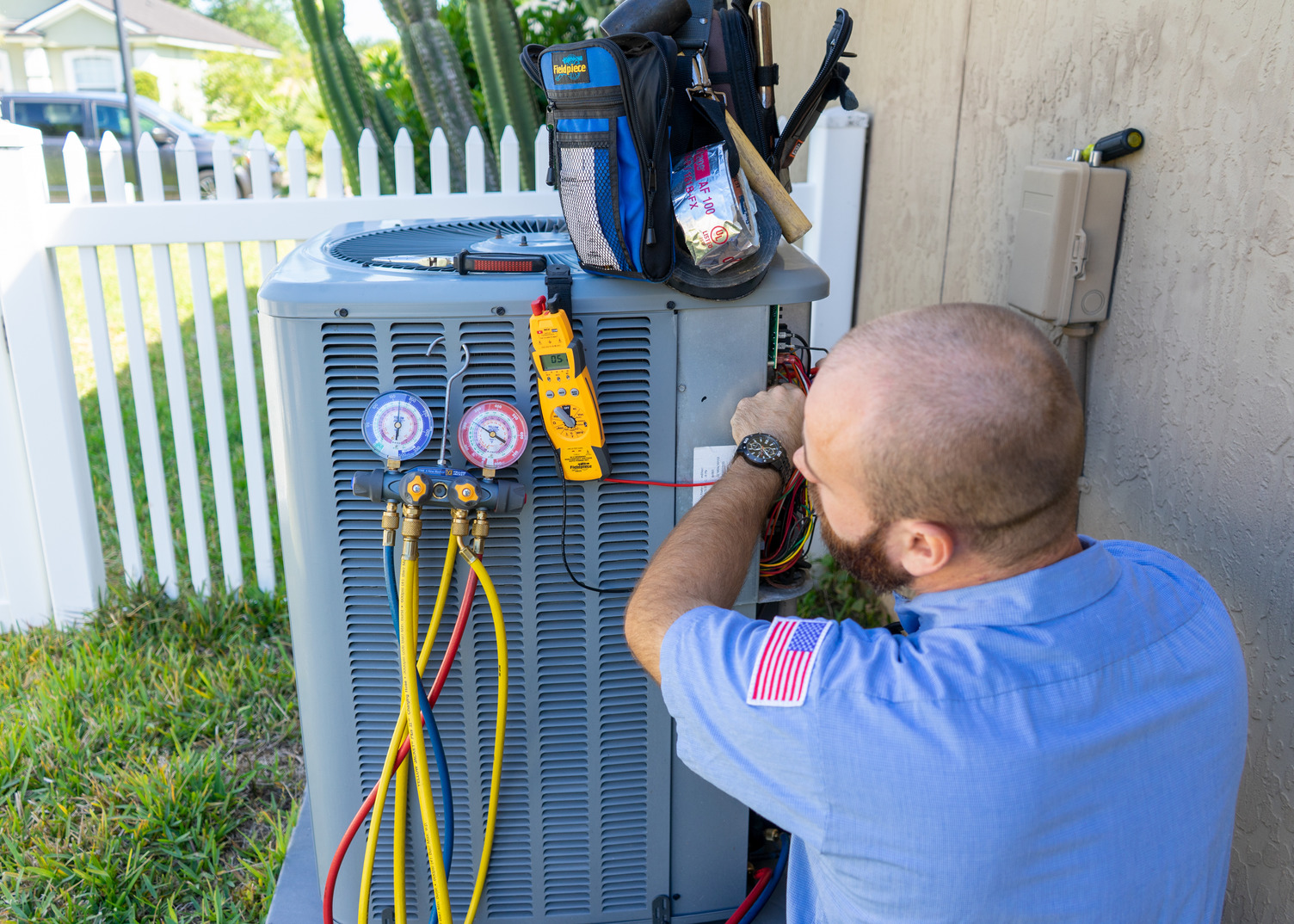
Welding, electrical work, and HVAC/R are not information disciplines. They are physical disciplines built on repeated practice with real tools, real voltage, and real refrigerant, which is precisely what an online trade school format cannot provide no matter how well the video content is produced.
Three details make the scale of that hands-on requirement clear:
- The Certified Welder credential requires passing a hands-on performance test at an accredited facility, not a written exam alone.
- The EPA 608 exam requires a proctored test for the higher equipment tiers, since a mishandled refrigerant carries real safety and environmental risk.
- Registered Apprenticeship programs require at least 2,000 hours of documented on-the-job learning before a credential is issued.
Each of these numbers points to the same requirement: sustained, supervised repetition with real equipment, not classroom video. That requirement does not bend based on the training format a student chooses, which is exactly what makes a fully online trade school certificate structurally incomplete for these three trades.
None of these credentials come from the training program itself. A program can teach the fundamentals and supervise the repetition a student needs, but only the third-party body decides whether the finished work meets standard.
That holds whether someone is chasing an online HVAC certificate or training toward an online electrician school credential, because the practical exam does not change based on how the coursework was delivered.
Licensing Boards Won’t Recognize an Online HVAC Certificate Alone
The structural gap above does not stay theoretical. It shows up the moment a graduate sits for the exam or the license their state actually requires.
The EPA 608 exam for HVAC/R technicians is administered by an approved third-party organization and built around refrigerant handling competency, not just written knowledge of how a system works. State electrical licensing works the same way. It sits on top of verified hands-on hours logged with an employer or training program, and a board can decline to count hours that were never actually completed in person.
Online-only coursework rarely produces the documented hands-on hours these exams and boards check. That means a graduate of a fully online electrician program can finish every module and still not qualify to sit for the license their state requires, which is a very different problem than simply needing to study more.
Employers Screen for Proof, Not a Certificate
Even a graduate who clears the licensing hurdle still has to get hired, and trade employers do not screen for course completion. They screen for demonstrated skill.
A certificate without verified hands-on hours does not satisfy that screen, regardless of how polished the online coursework was. Most graduates discover this gap during hiring rather than during enrollment, which is exactly what makes it a hidden cost instead of a visible one on day one.
This is not a knock on any individual graduate’s ability to learn. It is a mismatch between what a fully online format can teach and what an employer in a physical trade actually needs to see before handing someone a torch, a live panel, or a set of refrigerant gauges.
A Second Program Means a Second Tuition Bill
Once a graduate hits the hands-on wall, the usual next step is enrolling in a second, in-person program built to actually meet licensing and hiring standards. That second enrollment means a second tuition bill on top of the first one, plus a second stretch of training time before the first paycheck ever arrives.
The months already spent in the fully online program do not disappear once that happens. They become lost time layered on top of a second bill, which is the compounding version of the same structural gap that started the whole problem.
What to Check Before Choosing an Online Trade School
The pattern above points to a short list of questions worth asking before enrolling anywhere, not just before choosing between online and in-person options. None of these require special access or insider knowledge, and any legitimate program should be able to answer them without hesitation.
- Ask how many verified hands-on hours the program includes, not just the total program length
- Confirm those hours count toward the state license or certification exam in the specific trade
- Confirm the school’s accreditation covers the hands-on component directly, since Title IV eligibility hinges on this
- Ask whether the tools and equipment needed for hands-on hours are included in the quoted cost
A program that can answer all four questions clearly is doing the job a trade credential actually requires. One that hedges on any of them is asking a student to find out the hard way, after enrollment rather than before it.
Why Tulsa Welding School Builds Training Around the Trade, Not the Screen
None of this is an argument against online learning everywhere. It is an argument for matching the format to what the trade itself demands, and skilled trades demand hands-on practice from day one.
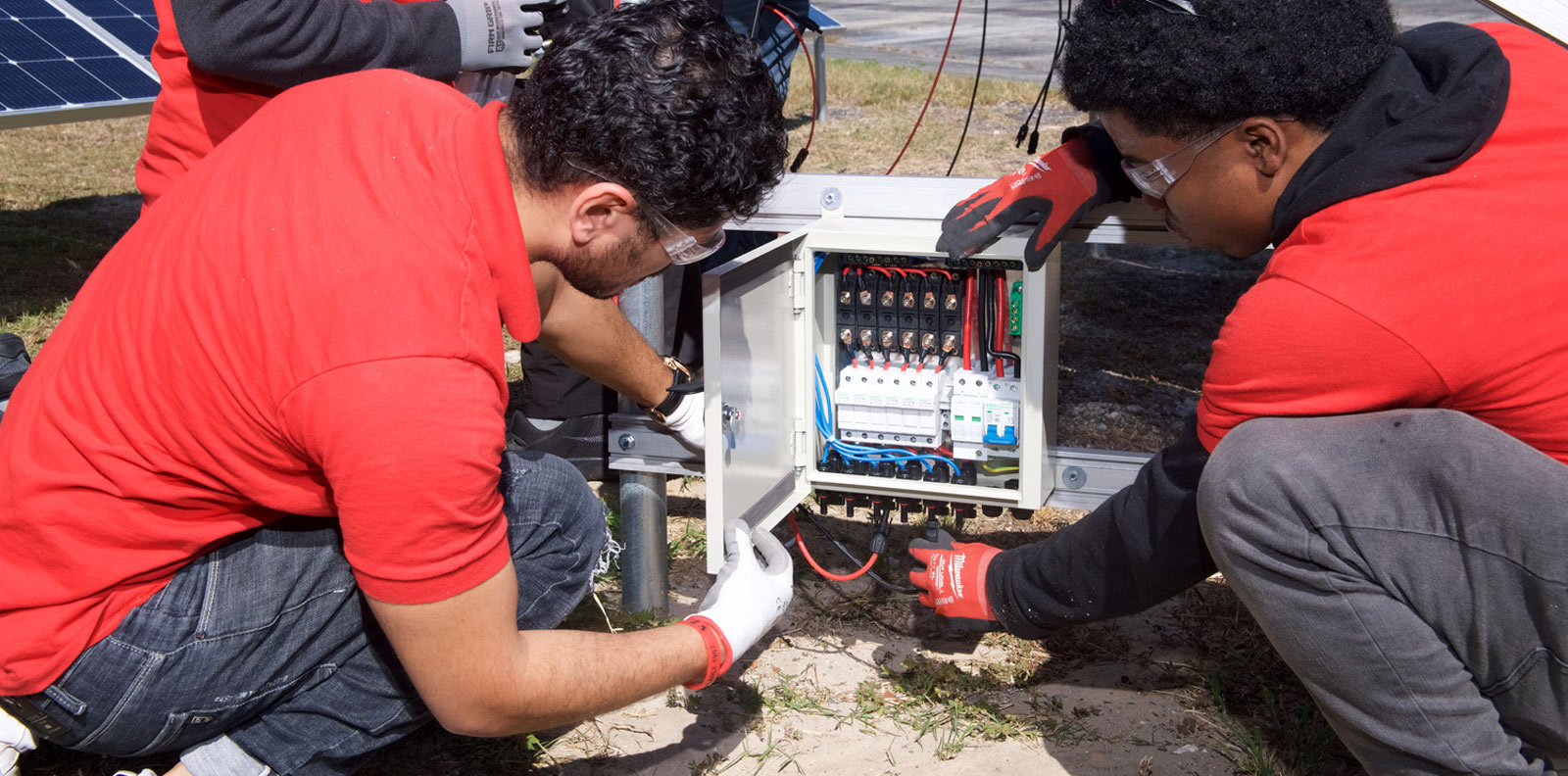
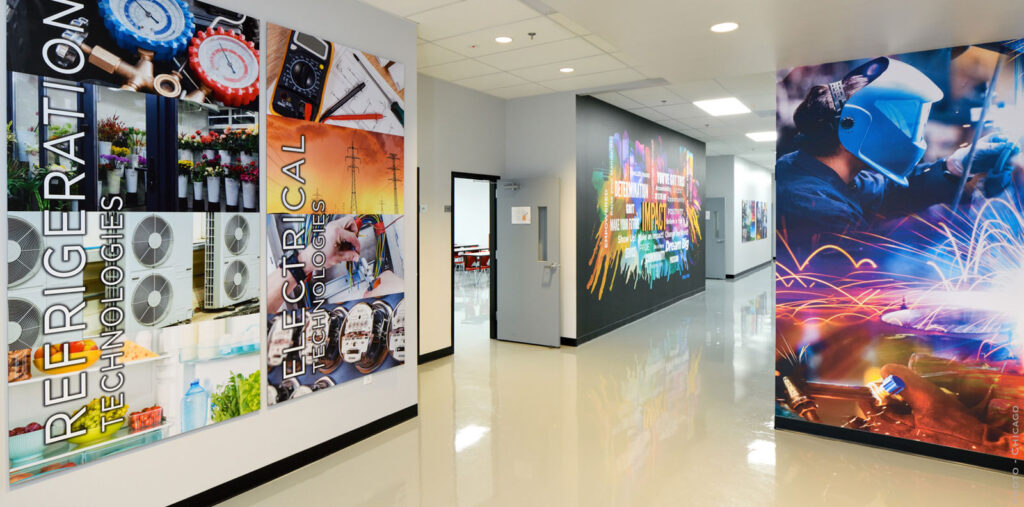
Tulsa Welding School (TWS) runs hands-on labs across its welding, electrical, and HVAC/R programs instead of treating lab time as an add-on. Welding students can test for AWS certification at TWS’s own Accredited Test Facility, which closes the loop between preparation and the actual third-party credential rather than leaving that step to a separate provider later.
Accreditation and state regulation apply directly to the hands-on training students complete at TWS, not to a separate online track layered on top of it. The tools and gear a student needs for that hands-on training are built into the program cost from the start, so there is no second bill waiting at the end for equipment nobody mentioned upfront.
If you are weighing an online trade school certificate against a program built around real lab time, the questions above are worth asking before you enroll anywhere. Request more info from Tulsa Welding School to see how a hands-on program is structured from day one, and what it actually takes to walk away job-ready.