TWS is a Great Training Option for Everyone
Learn more about how we can prepare you to advance your career.
Completing an electrician training program opens the door to a wide range of career opportunities. Whether you’re drawn to hands-on residential work or large-scale commercial projects, there’s a clear path to match your goals and skills. Here are some common roles graduates might consider:
- Residential Electrician: If you love working in homes, this role is all about wiring and taking care of electrical systems. Residential electricians need sharp problem-solving skills and a solid grasp of local codes to keep everything safe and up to standard.
- Commercial Electrician: These pros work in commercial spaces, managing larger electrical setups. The work often involves more complex wiring, high-voltage systems, and blueprints. Commercial electricians need advanced technical expertise and must be able to coordinate with contractors on large-scale projects.
- Industrial Electrician: Primarily working in manufacturing plants and factories, industrial electricians maintain and repair heavy machinery and automation systems. They need to be well-versed in both electrical and mechanical systems and must be able to troubleshoot quickly, especially in high-pressure situations.
While each role requires different technical skills and environments, they all demand a strong commitment to safety and code compliance. Understanding what each path involves can help you find the best fit for your interests, strengths, and long-term goals.
Exploring Specialization Options Within the Electrical Field
Beyond traditional roles, electricians can branch into specialized paths that align with emerging technologies and long-term career growth. Here are a few notable paths:
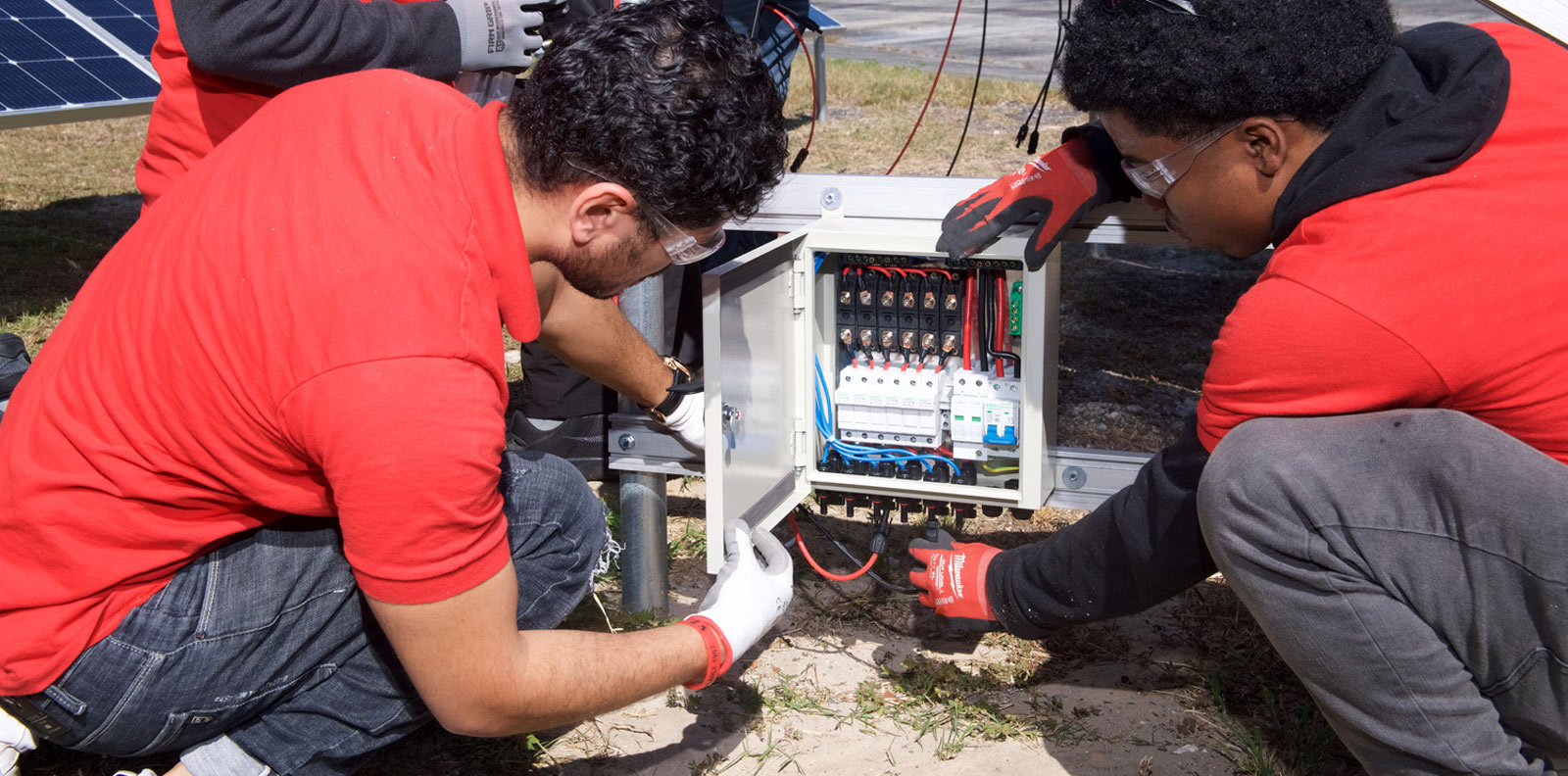
- Renewable Energy Technician: With the rise of solar and wind energy, there’s growing demand for electricians trained in sustainable systems. This path offers hands-on work with innovative technology and the chance to contribute to a cleaner energy future.
- Electrical Maintenance Technician: This role focuses on keeping electrical systems running smoothly and safely in both homes and industrial settings. Electrical maintenance technicians are crucial for preventing downtime and ensuring long-term system reliability.
- Electrical Engineering Technician: If you’re interested in supporting engineers in designing and developing electrical systems, this could be your path. While this specialization might require a bit more education and technical skill, it often comes with better pay and opportunities for growth.
Exploring these specialties allows electricians to stay ahead of industry trends, deepen their expertise, and carve out a career path that aligns with their personal interests and professional goals.
Have You Considered a Career in the Skilled Trades?
Fill out the form to recieve a no obligation info packet.
Career Transitions After Training
Once electricians complete their training, they can easily pivot into various alternative career paths. For instance, some may decide to become Electrical and Electronics Engineers, where they design and develop electrical systems and components. While this role often requires a bachelor’s degree, it usually offers higher salaries and more responsibilities, making it an appealing option for those wanting to level up.
Others might explore opportunities as Electrical Technologists and Technicians, supporting engineers in implementing and maintaining electrical systems. Although this path may call for additional training, many core skills carry over from trade programs, easing the transition into these roles.
These transitions reflect the flexibility of an electrician career path; one that can start with hands-on trade work and expand into engineering, technology, or system design. A strong foundation in electrical training opens the door to a wide range of opportunities across the broader tech and energy sectors.
Important Skills for Success in Electrical Roles
Succeeding as an electrician takes more than just technical know-how. These core skills are needed for growth and day-to-day performance:
- Problem-Solving: Electrical work often involves unexpected challenges. Quick thinking and creative solutions are critical for staying safe and keeping projects on track.
- Technical Knowledge: A deep understanding of electrical systems, codes, and safety protocols is essential for personal and public safety. Staying updated through continuous education is necessary to keep pace with new technologies and regulations.
- Strong Communication Skills: Electricians collaborate with a variety of people, so they need to explain complex ideas in a clear, understandable way. Whether explaining an issue to a homeowner or coordinating with a project team, clear communication builds trust and keeps everyone aligned.
Enhancing these skills not only boosts an electrician’s effectiveness but also improves their chances for career progression. Committing to lifelong learning and adapting to new technologies strengthens an electrician’s ability to succeed across various roles.
Employers Hiring Electricians
Electricians can find job opportunities across many different sectors. Here are some common employers:
- Construction Companies: These employers hire electricians for both new builds and renovation projects. Work can be fast-paced and project-based, with a strong need for code compliance and adaptability on job sites.
- Utility Companies: Electricians here are responsible for maintaining and repairing power distribution systems to ensure reliable electricity for consumers. Utility companies often provide you job security and benefits, as they provide crucial services.
- Manufacturing Facilities: These employers rely on electricians to keep machinery and electrical systems in good shape. Manufacturing typically requires deeper specialization and offers a more technical, hands-on work environment.
Whether you’re drawn to the variety of construction sites, the stability of utility work, or the technical demands of manufacturing, the electrician field offers a wide range of opportunities to suit different preferences and career goals. Choosing the right employer can help shape a more rewarding electrician career path—one that aligns TWS not just with your current skills, but also with where you want to grow in the future.
A Bright Future in Electrical Work
A solid foundation in electrical training can open the door to a wide range of rewarding careers. From hands-on roles like residential and commercial electrician work to in-demand specialties like renewable energy or electrical engineering support, there’s no shortage of paths to explore.
For those serious about building a lasting career in the trades, enrolling in a reputable electrician trade school like Tulsa Welding School can make all the difference. With a focus on hands-on learning, industry-aligned electrician courses, and extensive career placement services, TWS helps students transition from the classroom to real-world success.
As demand for licensed electricians continues to grow nationwide, those who invest in their skills now will be well-positioned to thrive. Whether you’re starting from scratch or looking to advance your current career path, training at Tulsa Welding School (TWS) can prepare you for entry-level opportunities in residential, commercial, and industrial electrical work.
To learn more about the program opportunities at Tulsa Welding School, contact us today or call (214) 227-9911.