TWS is a Great Training Option for Everyone
Learn more about how we can prepare you to advance your career.
Commercial and residential HVAC work share the same core principles, yet the environments, equipment, and day-to-day demands differ in noticeable ways. Commercial technicians maintain systems for offices, retail buildings, schools, and industrial facilities where climate control must support large groups of people throughout the day. Residential technicians work in homes and small living areas where comfort expectations are more personal and system access often requires navigating tight spaces.
Understanding these differences helps students entering HVAC training evaluate which type of work aligns with their goals, strengths, and preferred environments. As students explore refrigeration cycles, electrical systems, and diagnostic techniques in training, they gain exposure to equipment used in both settings. This experience helps future technicians form a clearer picture of the path they want to pursue within the industry.
What’s the Difference Between Commercial and Residential HVAC Work?
Commercial HVAC involves systems that manage the climate of large buildings, including offices, shopping centers, schools, and industrial facilities. Residential HVAC focuses on heating and cooling for single-family homes, apartments, and smaller living spaces.
Both areas rely on the same foundational principles, yet their differences shape the daily work experience. The table below highlights the main contrasts so students can see these paths side by side.
Have You Considered a Career in the Skilled Trades?
Fill out the form to recieve a no obligation info packet.
| Job Differences | Commercial HVAC | Residential HVAC |
|---|---|---|
| Common service facility types | Serves large buildings such as offices, schools, and retail centers | Serves homes, apartments, and small living spaces |
| System differences | Uses large systems including rooftop units, chillers, boilers, and multi-zone controls | Uses compact systems like split units, heat pumps, and small air handlers |
| Equipment Needs | Equipment supports high occupancy and long operating hours | Equipment supports household comfort and moderate energy use |
| Typical service locations | Work takes place on rooftops, in mechanical rooms, and in large facilities | Work takes place in attics, crawlspaces, backyards, and interior living areas |
| Client Interaction | Coordination with facility managers and building staff | Direct interaction with homeowners |
| Technical knowledge | Troubleshooting involves multiple system components across larger areas | Troubleshooting focuses on single-system performance inside one home |
| Strengths | Strong emphasis on mechanical scale and system integration | Strong emphasis on customer service, communication, and comfort management |
These contrasts help students understand how system scale, building requirements, and user needs shape two distinct career paths within the same trade.
Residential HVAC Job Responsibilities: What Technicians Do Day-To-Day
Residential HVAC maintenance focuses on diagnosing, repairing, and maintaining home heating and cooling systems. Common tasks include checking thermostats, evaluating airflow, inspecting wiring, and measuring refrigerant levels. These tasks ensure efficiency and reliable comfort throughout the year.
System access varies by home. HVAC Technicians may work in attics during warm weather, in crawlspaces with limited clearance, or around outdoor units during temperature extremes. Maintenance tasks often include replacing filters, unclogging drain lines, and cleaning components that affect airflow.
Because the work takes place in customers’ homes, communication is a regular part of each appointment. Technicians explain issues, outline repair options, and discuss how equipment age or maintenance habits affect performance.
Students may feel drawn to residential HVAC work for reasons such as:
- Wanting frequent interaction with homeowners who rely on clear explanations and guidance
- Preferring service calls that vary from home to home and offer a steady mix of diagnostics and maintenance
- Enjoying work on smaller systems where troubleshooting is often completed in a single visit
- Liking environments where improvements in comfort are felt immediately by the household
- Feeling comfortable working independently in personal living spaces and adapting to different home layouts
Commercial HVAC Job Responsibilities: Working on Larger and More Complex Systems
Commercial HVAC jobs require technicians to work with equipment built for large-scale climate control, such as rooftop units, chillers, boilers, cooling towers, and multi-zone systems. These systems manage airflow and temperature across entire buildings and operate for long periods each day.
Troubleshooting commercial HVAC equipment requires evaluating mechanical, electrical, and control components that may be spread across several areas. Technicians interpret system data, verify control sequences, and analyze how individual parts affect building performance.
Commercial work also involves collaboration with facility managers. Conversations focus on building efficiency, long-term planning, and scheduled maintenance that supports continuous operation. Students who enjoy mechanical depth, technical problem solving, and working with larger systems may gravitate toward this environment.
Students may be drawn to commercial HVAC for reasons such as:
- Interest in working with larger, more complex mechanical systems
- Preference for environments where equipment is maintained over longer cycles and planned schedules
- Enjoying teamwork and coordination within facilities or maintenance departments
- Wanting experience with systems that involve advanced controls and building management technology
- Feeling motivated by projects that support entire buildings rather than individual living spaces
How HVAC Training at Tulsa Welding School Prepares Students for Both Paths
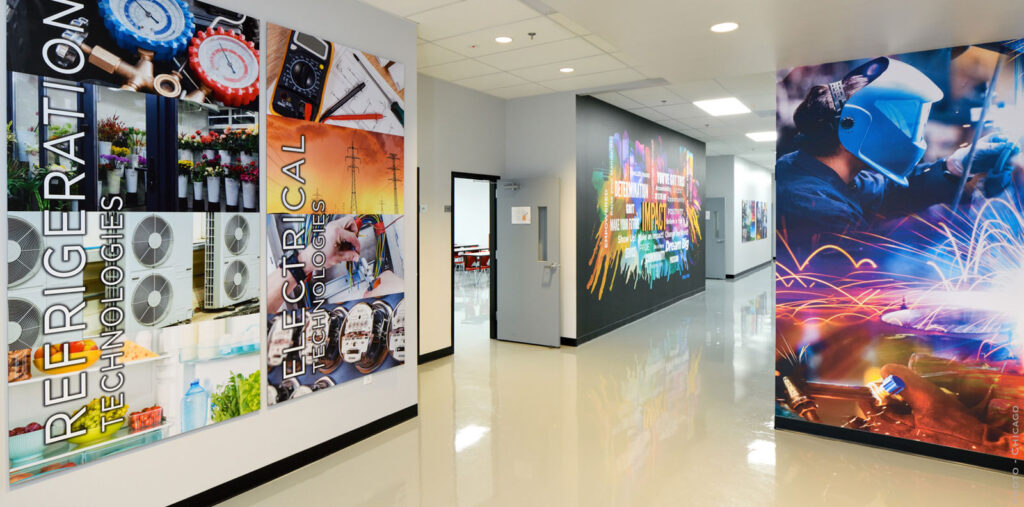
HVAC programs typically give students a foundation that applies in both residential and commercial environments. Tulsa Welding School follows this approach by combining classroom instruction with hands-on lab work that covers system operation, refrigeration theory, electrical fundamentals, and diagnostic techniques.
Lab practice allows students to assemble, test, and troubleshoot real HVAC systems. These sessions reinforce classroom concepts and strengthen confidence through repeated practice. Tools such as the Resideo Learning Kit help students understand how wiring, controls, and safety components work together inside functioning systems.
Students rotate through equipment types and tasks that reflect both commercial and residential work. This exposure helps them identify which environments, responsibilities, and system designs feel most natural. Graduates leave with a flexible foundation that supports entry-level work in either specialty and the ability to move between roles as they gain experience.
Work Environment and Physical Demands: What Students Can Expect
Residential technicians work inside homes, attics, crawlspaces, and outdoor areas around smaller units. These spaces may be tight or uncomfortable depending on season and home layout. Because the work takes place in personal living areas, technicians balance technical tasks with clear communication.
Commercial technicians work in mechanical rooms, on rooftops, and throughout large facilities. Equipment may require specialized tools or teamwork to move safely. Tasks often involve navigating larger electrical setups, extensive duct systems, and building-wide control equipment.
Both tracks require physical movement, focus, and comfort working in varied environments. Understanding these conditions helps students evaluate which settings match their strengths.
How Students Can Choose the Right HVAC Path
Students comparing commercial and residential HVAC can start by considering their preferred work environment. Those who enjoy customer interaction and steady home service calls may prefer residential HVAC. Students who lean toward mechanical depth, larger systems, and coordinated building operations may be drawn to commercial roles.
Training provides exposure to both specialties. As skills develop, students gain insight into which tasks and environments fit their strengths.
If you are ready to explore HVAC as a career but need help mapping out the first steps, reach out today!