TWS is a Great Training Option for Everyone
Learn more about how we can prepare you to advance your career.
When severe weather hits, electrical lineworkers are the ones who keep the power on and communities connected. High winds, heavy rain, and downed power lines can turn routine repair work into dangerous situations. That is why safety is not just a skill for lineworkers; it is a mindset.
As storm season approaches, knowing how to stay safe around live wires, flooded areas, and unpredictable weather conditions can make all the difference. The best lineworkers have undergone training that consistently prioritizes safety, from checking protective gear before every shift to maintaining clear communication on the job.
When Should PPE Be Inspected?
Before starting any job, lineworkers should inspect their personal protective equipment (PPE) gear carefully. This includes hard hats, gloves, safety glasses, and arc-rated or flame-resistant clothing.
These checks help catch damage or wear that could lead to injury. OSHA stresses how important it is to use PPE the right way, especially to prevent arc flashes and electrical shocks. By checking gear every day, lineworkers lower their chances of accidents.
Have You Considered a Career in the Skilled Trades?
Fill out the form to recieve a no obligation info packet.
Lineworkers also need to understand how each piece works. For example, flame-resistant clothing has to meet certain safety standards to actually protect against burns. At Tulsa Welding School (TWS), students in our Electrical Lineworker program learn how to inspect their equipment and make sure it’s the right choice for the job. With daily habits like these, they’re better prepared to face the risks that come with electrical work.
Building Safe Climbing Habits for the Field
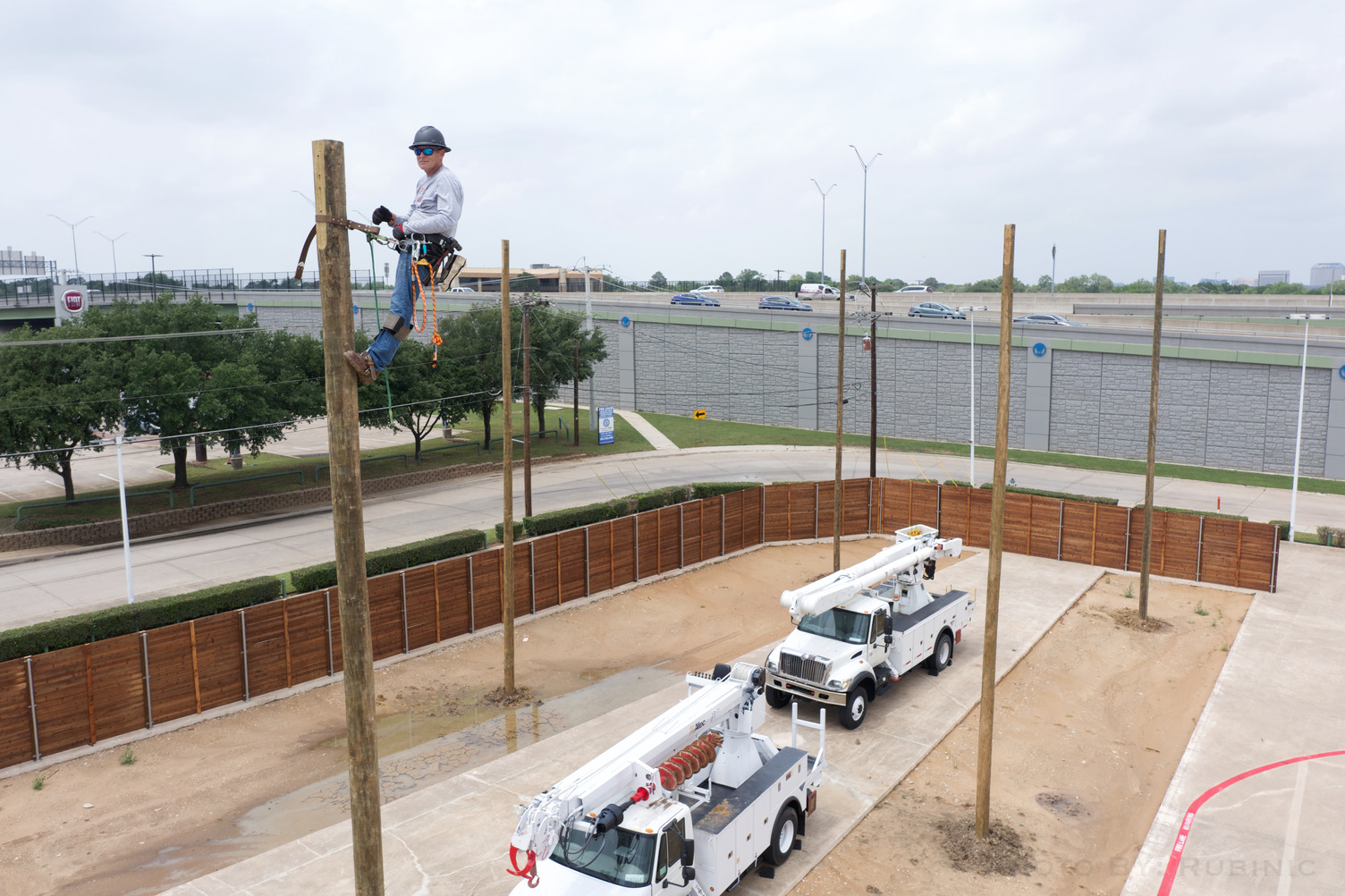
Climbing safely is one of the most important skills for a lineworker. Working at heights comes with serious risks, so learning proper techniques helps reduce accidents and build confidence. TWS students practice climbing as part of their training, gaining real experience on poles in a controlled setting.
To strengthen their skills even more, TWS students are encouraged to pursue the Climbing Certification from American Lineman College. This certification teaches both the knowledge and physical techniques needed to climb safely. Students learn how to:
- Climb and descend poles using safe, steady methods
- Use climbing gear the right way
- Check conditions before starting any climb
With these skills, graduates are ready to handle the demands of the job safely and professionally. Knowing how to climb with care helps prevent injuries and keeps crews working efficiently.
How Communication Keeps Line Crews Safe
Clear communication is a must on any lineworker team. Strategies like hand signals or two-way radios ensure everyone knows their roles and responsibilities. This proactive approach helps prevent misunderstandings that could lead to accidents on-site.
At TWS students learn to communicate with clarity and purpose. They practice active listening to fully understand instructions, keep teammates informed about job progress and safety concerns, and take part in pre-job briefings to align on goals and potential risks.
By promoting a culture of open communication, lineworkers work together better as a team and keep their workplaces safe. Effective communication protects individuals and fosters a collaborative environment where everyone feels valued and informed.
Building Hazard Awareness in Everyday Linework
Lineworkers face serious hazards on the job, from electrical shocks to falls and equipment failures. That’s why recognizing and responding to risks is such an important part of their training. TWS students learn to spot danger early and take the right steps to stay safe.
For example, students learn how to identify electrical hazards in different settings and follow emergency procedures if something goes wrong. The lineworker training also includes drills that mimic real-life situations, teaching them to stay calm and make smart decisions under pressure.
Programs like the 2024 NEPPA Safety Orientation Program highlight the value of hazard awareness and the role PPE plays in staying protected. By honing their hazard awareness, lineworkers can efficiently and effectively protect themselves and their teammates on the job.
Start Building the Safety Habits That Power Lineworker Careers
The safety habits developed during lineworker training at Tulsa Welding School are vital for establishing a successful and secure career in the electrical industry. From conducting PPE checks and mastering climbing techniques to fostering clear communication and building hazard awareness, these skills prepare students for the realities of the job. Adopting these safety habits will boost your employability and contribute significantly to a safer, more reliable workforce in the electrical trade.
If you’re considering your options for education, take a closer look at TWS. Our hands-on training places a strong focus on safety and career readiness. With a commitment to student success and practical instruction, TWS stands out in electrical lineworker education.
Reach out to TWS today to see how you can start training for electrical lineworker careers.