TWS is a Great Training Option for Everyone
Learn more about how we can prepare you to advance your career.
Texas runs on heavy industry. Its refineries, manufacturing plants, distribution centers, and food processing facilities operate around the clock, and every one of them depends on trained technicians to keep equipment running. If you’ve been looking at industrial maintenance and wondering whether you can get in without a technical background, the answer is yes. Texas is one of the better places in the country to start.
Industrial maintenance is a skills-based field. You don’t arrive with a technical background. You build one through training, and that training is what Texas employers are hiring for.
A seven-month program can be enough to qualify for an entry-level role.
What Does an Industrial Maintenance Technician Do in Texas?
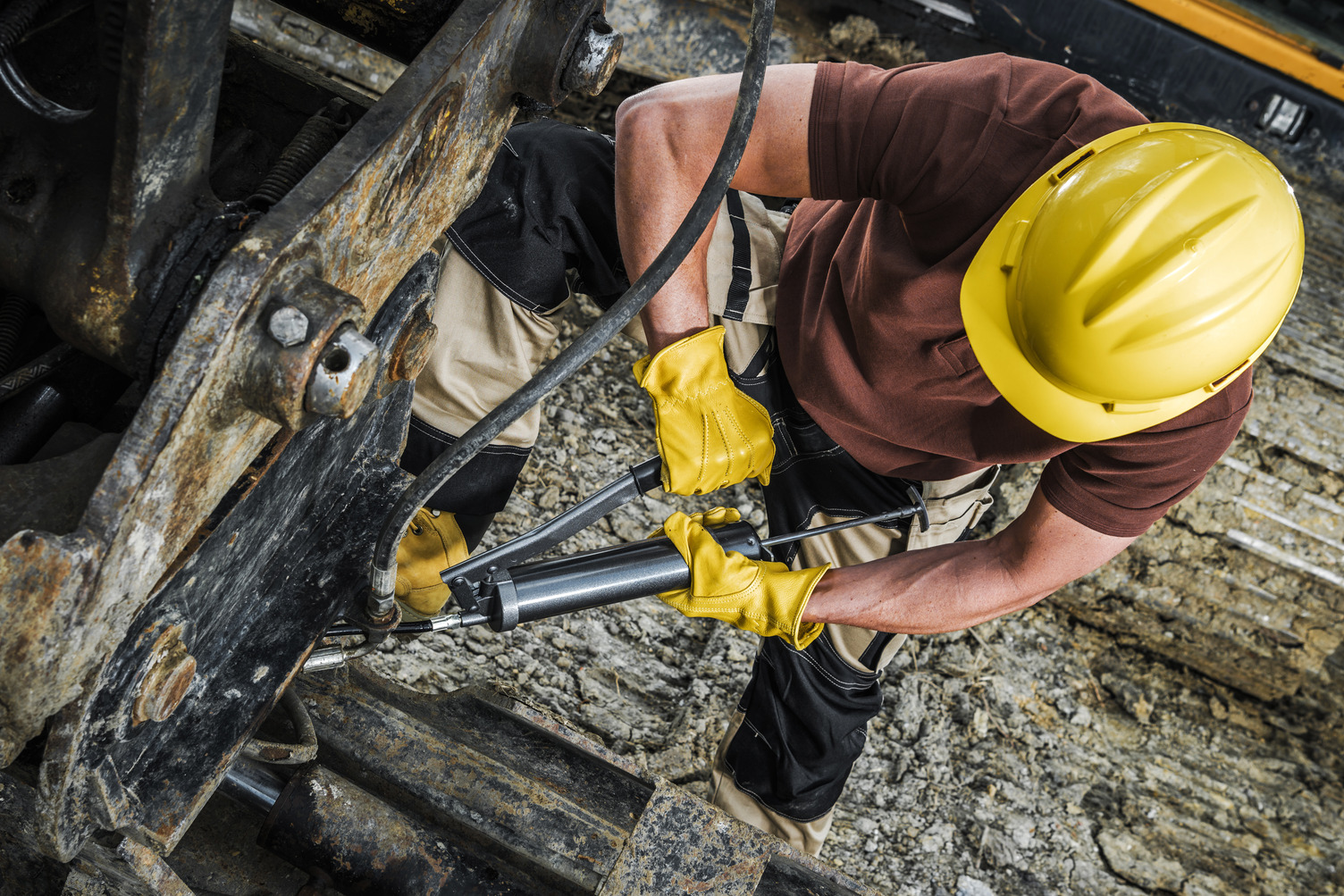
An industrial maintenance technician keeps the mechanical, electrical, and fluid power systems inside industrial facilities running safely. On any given shift, that might mean performing scheduled inspections, replacing worn components, reading equipment schematics, logging repair records, or responding to a breakdown on a production line. The work is hands-on and rarely the same twice.
Have You Considered a Career in the Skilled Trades?
Fill out the form to recieve a no obligation info packet.
Safety is built into every task. Technicians follow Lockout/Tagout (LOTO) procedures before servicing any equipment, control arc flash hazards around electrical systems, and document their work to keep facilities compliant with federal safety standards. These are job requirements, not best practices a technician picks up over time.
What Industries in Texas Hire Industrial Maintenance Technicians?
Texas has more industrial entry points than most states. The industries below are the largest employers of maintenance technicians in the state, and all of them are growing.
- Manufacturing (automotive, electronics, food/beverage, packaging). Texas leads projected manufacturing job growth nationally through 2032 and added more than one in four of all manufacturing jobs gained across the country over the last decade.
- Energy production and petrochemical. The Gulf Coast corridor holds one of the densest concentrations of industrial infrastructure in the United States, with refineries, chemical plants, and power generation facilities that need full-time maintenance crews.
- Logistics and warehousing. Texas Transportation and Warehousing employment grew 41% between 2015 and 2025, adding 187,700 positions as distribution infrastructure expanded across the state.
- Hospitals and healthcare facilities. Industrial maintenance training transfers directly into healthcare settings because HVAC systems, electrical panels, and mechanical equipment require the same diagnostic and repair skills.
- Distribution centers and facility operations. This sector continues to expand with Texas’s population, with Houston and Dallas-Fort Worth seeing the most activity.
Do You Need Experience to Get Into Industrial Maintenance?
Most entry-level industrial maintenance roles in Texas list a high school diploma or GED as the only formal education requirement. No experience in maintenance is required to apply. Prior experience matters at the senior level. For entry-level hiring, employers want practical ability, safety awareness, and evidence that a candidate has completed training. Formal training fills that gap.
A candidate who has completed a program and earned an Occupational Safety and Health Administration (OSHA) 10 certification walks into an interview with documented preparation. Someone who has worked near industrial equipment without formal training cannot say the same. Career changers, recent high school graduates, and adults returning to the workforce enter this field through training, not through prior maintenance jobs.
What Training Do You Need to Start an Industrial Maintenance Career?
A solid industrial maintenance program builds skills from zero. Students with no background typically cover the following core areas:

New: Industrial Maintenance
Learn About Our New Advanced Industrial Maintenance Program
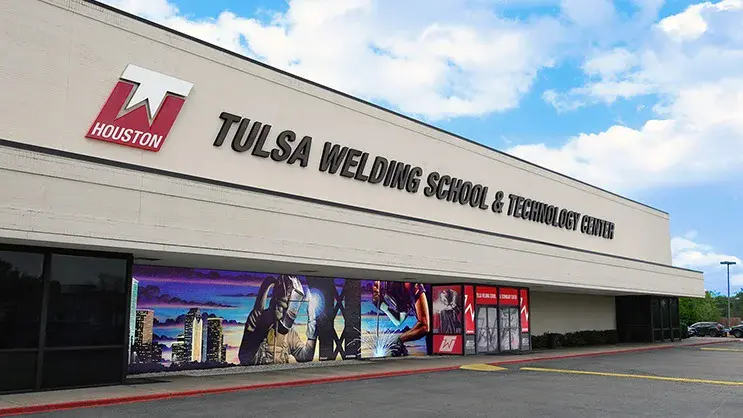
Tulsa Welding School is proud to announce our newest program offering available at our Houston & Dallas Metro Campuses – Advanced Industrial Maintenance Technology! Learn the skills you need to take on the industries of manufacturing, distribution, energy production and facility maintenance in as few as 7 months.
- Electrical fundamentals: Alternating Current (AC) and Direct Current (DC) circuits, motor controls, and wiring diagrams
- Mechanical systems
- Hydraulics and pneumatics
- Programmable Logic Controller (PLC) programming
- Boiler and steam operations
Safety training runs throughout. Programs built for real industrial environments cover OSHA 10 certification, LOTO procedures under 29 CFR 1910.147, and arc flash awareness. Hands-on diagnostic work uses tools including:
- Multimeters
- Infrared thermometers
- Pressure gauges
- Vibration sensors
Students also learn to read technical manuals and schematics, something employers assess during the hiring process. Six to twelve month certificate programs qualify graduates for entry-level roles without a four-year degree.
What the TWS Advanced Industrial Maintenance Technology Program Covers
Tulsa Welding School (TWS) offers a seven-month program in Advanced Industrial Maintenance Technology at its Houston and Dallas Metro campuses. The program is built for students with no prior technical experience, including recent high school graduates, career changers, and adults re-entering the workforce.
The curriculum covers the following areas, with lab work built in from the first week:
- PLC fundamentals and programming
- Junction boxes and transformers
- Belted and motor drives
- Hydraulics and pneumatics
- Boiler and steam operations
- Safety compliance and OSHA 10
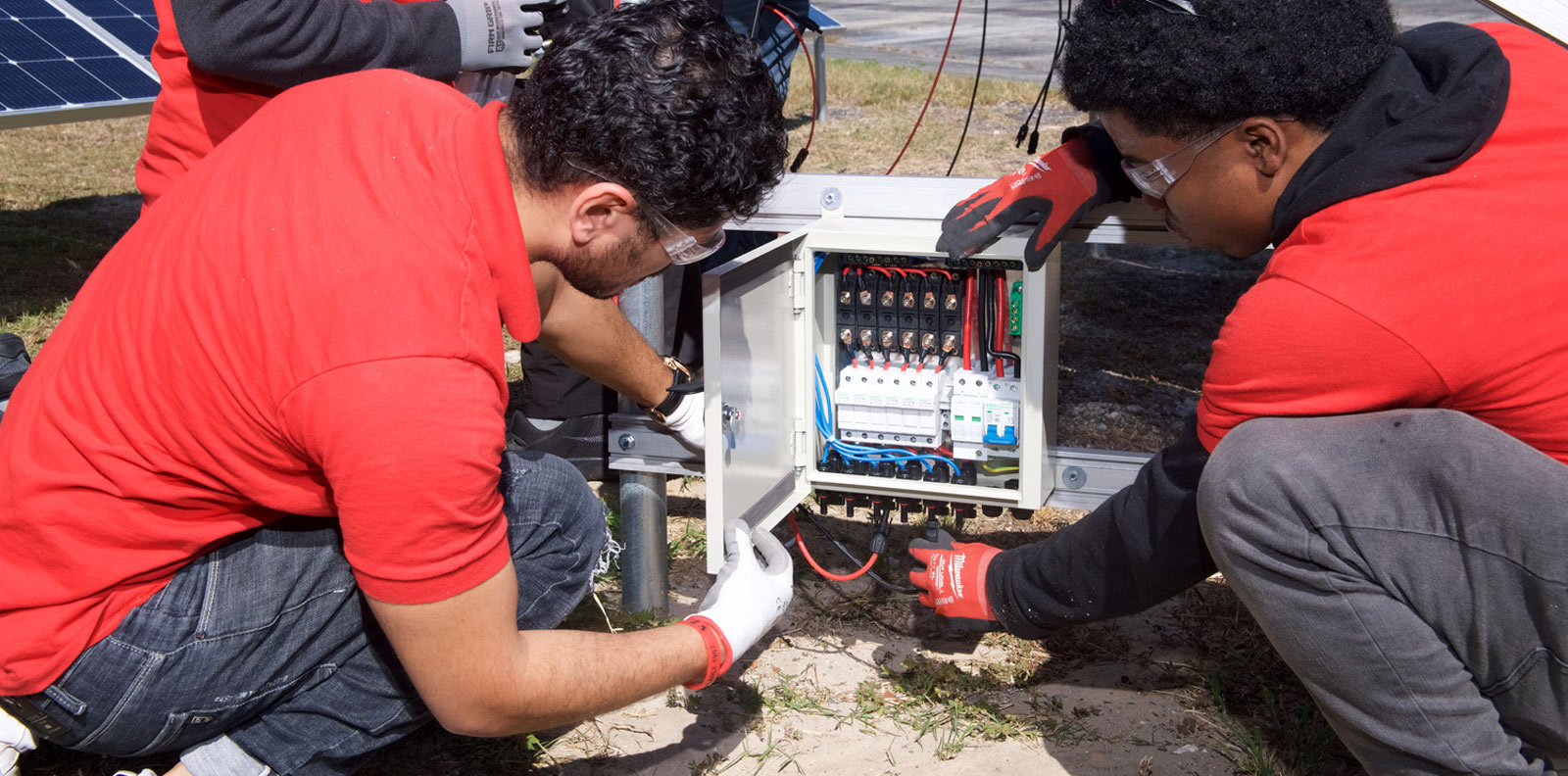
Students don’t just read about a relay switch. They wire one, test it, and practice replacing it in a simulated industrial environment using the same tools found in the field.
OSHA 10 is included in the program, so graduates walk into their first interview with a recognized safety credential. Admissions require a high school diploma or GED. To take the first step, request more info from TWS directly.
What Gets You Hired in Texas Without a Technical Background
Entry-level job postings in Texas consistently ask for the same things:
- High school diploma or GED
- Mechanical aptitude
- Safety awareness
- Ability to follow written procedures
Five years of maintenance experience is a senior-level bar, not an entry requirement. For candidates with no experience who have completed a formal training program, entry-level hiring is within reach.
OSHA 10 certification and LOTO familiarity appear across Texas entry-level postings. A candidate who completed a program covering both often arrives better prepared than someone who picked up skills informally on the job.
Texas also does not require a state license for general industrial maintenance work, which keeps the barrier to entry lower than trades like plumbing or HVAC. Note that electrical-only work in Texas does require a separate Texas Department of Licensing and Regulation (TDLR) license. Industrial maintenance is a broader multi-craft role and does not carry that requirement.
Texas Makes Entry Easier Than You Might Expect
Manufacturing employment rose about 11% in Texas over the last decade, adding 93,300 jobs. That’s more than one in four of all manufacturing jobs gained nationally during that period. Texas is projected to add more manufacturing jobs than any other state through 2032. Nationwide, industrial maintenance employment is expected to grow by 43,500 jobs by 2033.
For a new graduate, that means real options. Houston, Dallas-Fort Worth, and the Gulf Coast corridor are each active markets where industrial maintenance technicians are in demand. Employers in these markets aren’t waiting on candidates with ten-year track records. They’re hiring trained entry-level workers who show up prepared.
How a Career in Industrial Maintenance Grows Over Time
Most graduates start in hands-on technical roles. The table below shows how titles and responsibilities typically shift as experience builds.
| Years of Experience | Typical Titles | Focus |
|---|---|---|
| 0–3 years | Equipment Maintenance Technician, Mechanical Systems Installer, Operations Support Technician | Routine inspections, preventive maintenance, assisting on repairs |
| 3–6 years | Power Generation Specialist, Facilities Operations Coordinator, Senior Equipment Mechanic | Broader system responsibilities, some oversight of junior staff |
| 6–10 years | Maintenance Team Supervisor, Automation and Control Systems Technician, Reliability Engineer Assistant | Leadership, specialized diagnostics, smart factory systems |
Advancement runs on experience and certifications, not a four-year degree.
Credentials like the Certified Maintenance and Reliability Technician (CMRT) and National Center for Construction Education and Research (NCCER) Industrial Maintenance Mechanic certification are recognized across industries and open doors to more specialized or senior roles. Career path options widen considerably once you have three to six years of field experience.
Start Your Industrial Maintenance Career in Texas
No technical background is not the obstacle it seems. Texas’s industrial sector is growing, entry-level hiring is based on training rather than prior experience, and a seven-month program can get you to your first position.
TWS’s Advanced Industrial Maintenance Technology program is built for students starting from zero who want a direct path into the field. To learn more about what the program covers, start dates, and financial aid options, request more information today.