TWS is a Great Training Option for Everyone
Learn more about how we can prepare you to advance your career.
For decades, many students were encouraged to believe that success required a four-year college degree. Today, more people are questioning whether that path fits their goals, learning style, or timeline. High school graduates and career changers alike are exploring options that lead to steady work without spending years in a traditional classroom.
What if building a solid future didn’t require four years of college? What if hands-on training for in-demand trades offered a more direct route into the workforce?
For many individuals, skilled trades careers provide that option. Trade-focused education allows students to train for practical roles that support real-world industries, often in less time than a traditional degree program. For those who prefer learning by doing and want to start working sooner, the skilled trades can offer a clear and rewarding career path.
What Does Financial Freedom Really Mean?
Financial freedom may mean different things to different people. For many, it means having control over your money and your future, including the ability to manage expenses, plan ahead, and reduce financial stress. While income plays a role, financial freedom is also shaped by how quickly you can enter the workforce, how much debt you take on for education, job stability, and opportunities for advancement.
Have You Considered a Career in the Skilled Trades?
Fill out the form to recieve a no obligation info packet.
This is where skilled trades careers often differ from traditional career paths.
Why Skilled Trades Are in High Demand
Across the U.S., industries are facing a major shortage of skilled workers as experienced tradespeople retire and fewer younger workers enter the field. Construction projects, manufacturing facilities, energy companies, and infrastructure systems all depend on skilled workers to operate safely and efficiently.
For someone entering the workforce, this shortage creates opportunity. When skilled labor is harder to find, employers must compete for talent, often by offering consistent work and competitive wages. Because these roles require hands-on skills that can’t easily be automated or outsourced, skilled trades careers often remain relevant even during economic shifts.
Skilled Trades Careers With Competitive Earnings
When evaluating a skilled trades career, it’s important to look beyond job titles and consider how training, demand, and earnings intersect in the real world. While some construction and extraction occupations report higher median wages nationally, many of those roles require advanced training beyond what is typically part of an entry-level trade program.
The skilled trades noted represent careers commonly supported by hands-on training programs and shaped by ongoing workforce demand. Reported wage data helps illustrate how earnings can vary based on experience, specialization, location, and industry, while the real-world descriptions provide context for what these jobs actually involve day to day.

New: Industrial Maintenance
Learn About Our New Advanced Industrial Maintenance Program
Tulsa Welding School is proud to announce our newest program offering available at our Houston & Dallas Metro Campuses – Advanced Industrial Maintenance Technology! Learn the skills you need to take on the industries of manufacturing, distribution, energy production and facility maintenance in as few as 7 months.
Welding
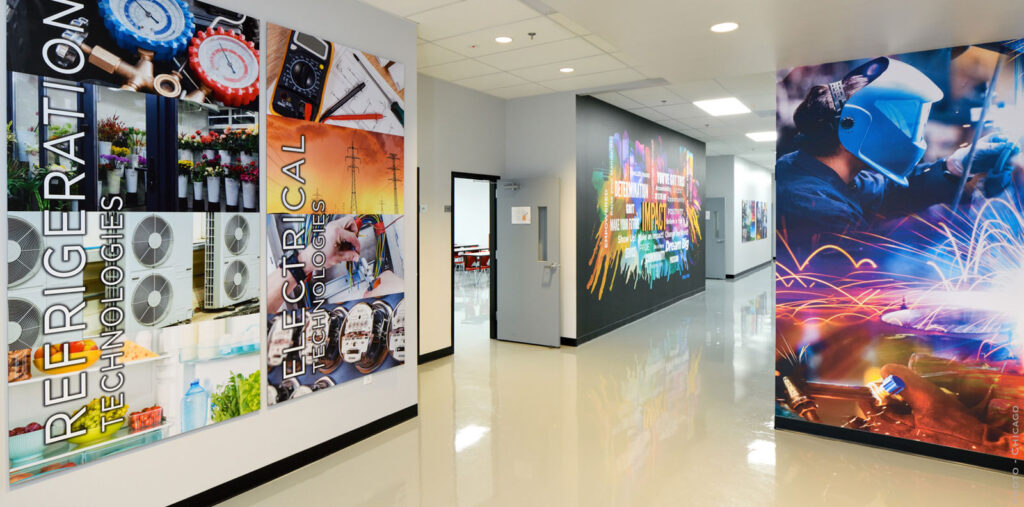
Welding supports major industries including construction, manufacturing, transportation, and energy. Welders join and repair metal components used in buildings, machinery, pipelines, and infrastructure, making their skills widely applicable across the country.
According to the U.S. Bureau of Labor Statistics, the average national salary for welders, cutters, solderers, and brazers was approximately $51,000 in May 2024.
Earning potential in welding can vary depending on industry, certification level, education, work environment, and experience. Some welders work in fabrication shops, while others work on large-scale industrial or infrastructure projects. Differences in specialization and skill level influence the types of roles available and the range of wages within the field
Electrical Technology
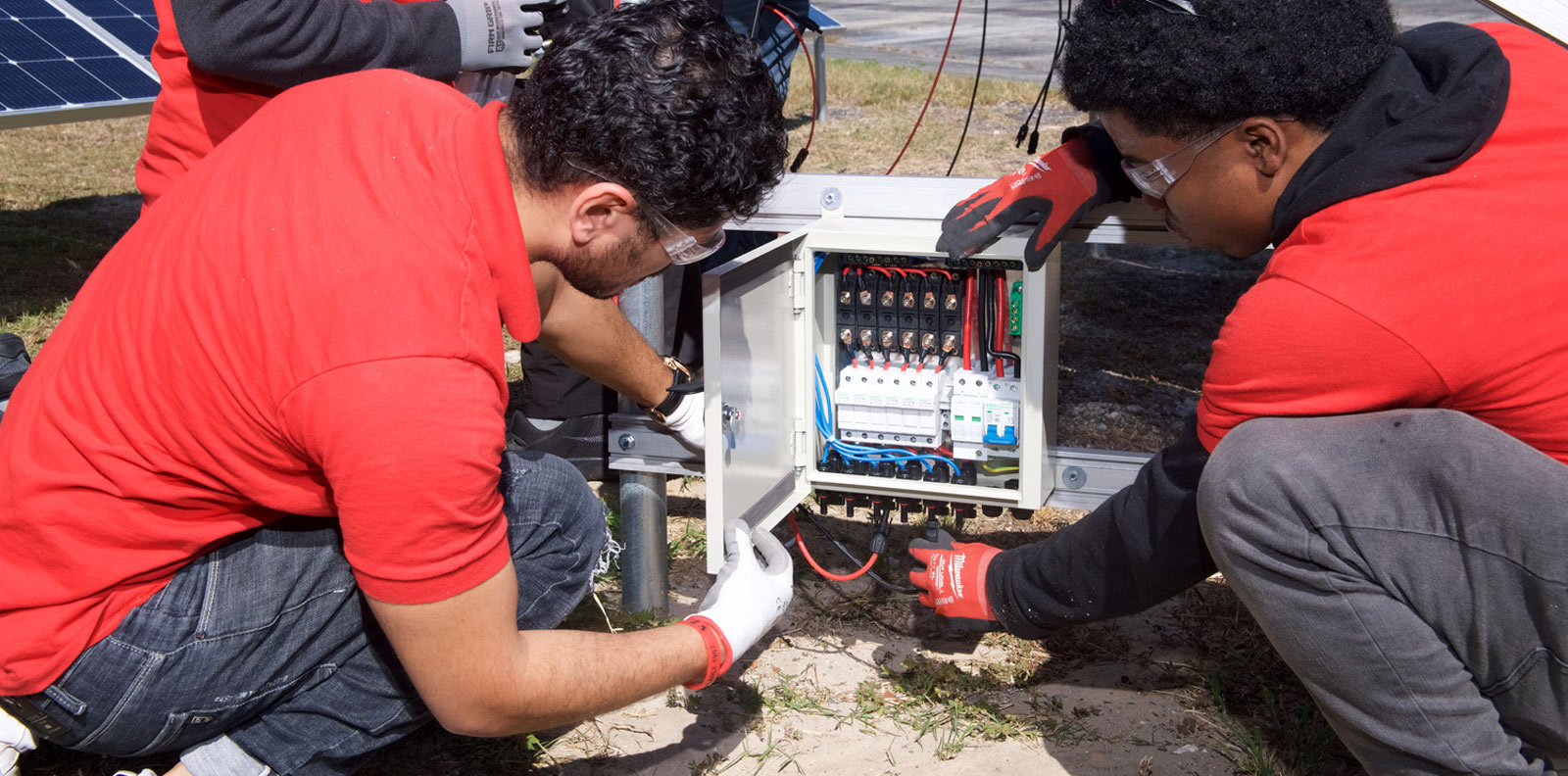
Electrical technology focuses on installing, maintaining, and repairing systems that power homes, businesses, and industrial facilities. Electricians may work on new construction projects, upgrades to existing buildings, or ongoing maintenance, giving the trade relevance in both growing and established communities.
The U.S. Bureau of Labor Statistics reports that the median annual wage for electricians was $62,350 as of May 2024
Earnings in this field are influenced by factors such as licensing, experience, specialization, and whether work is residential, commercial, or industrial.
HVAC & Refrigeration
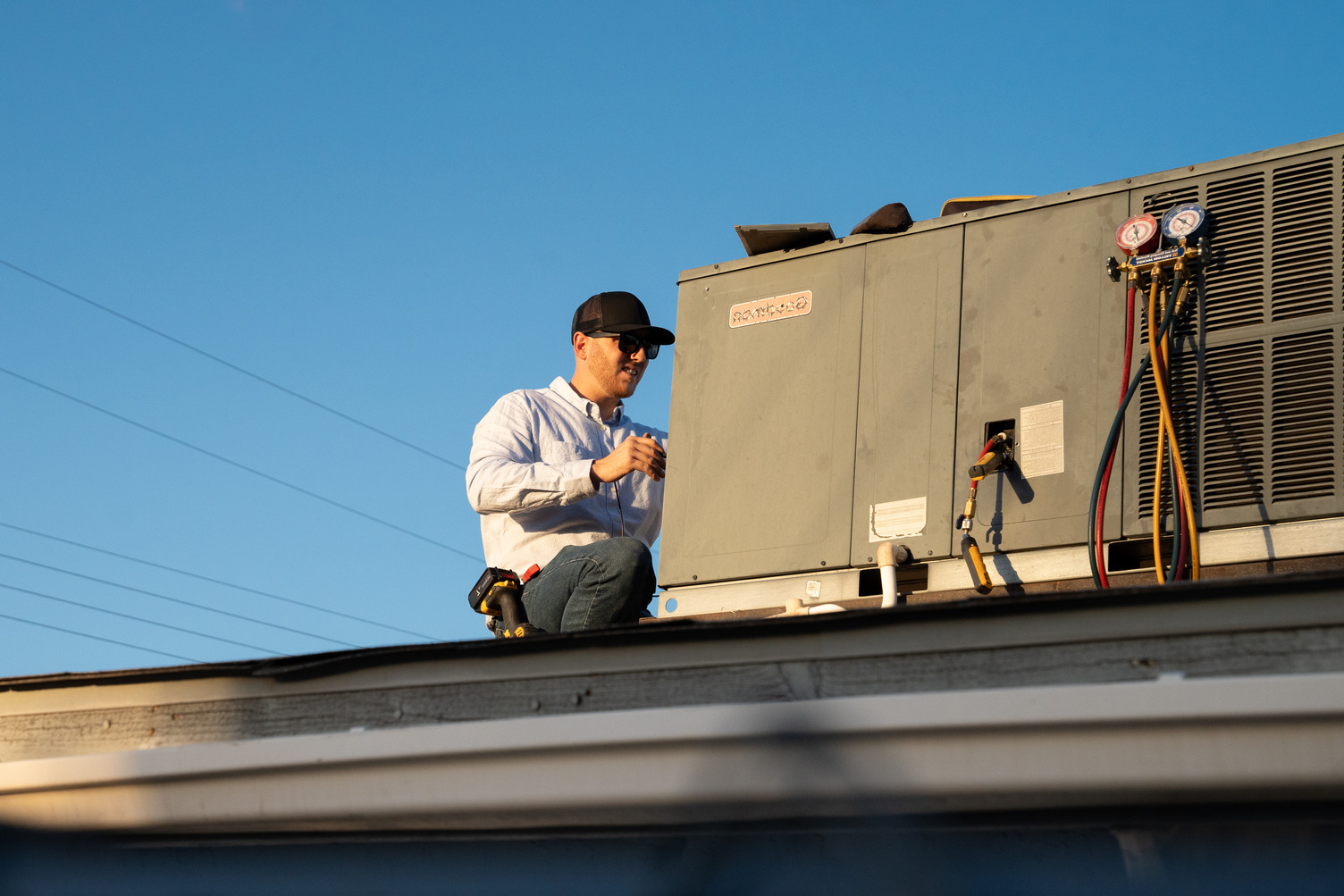
HVAC and refrigeration technicians install, maintain, and repair systems that regulate temperature, airflow, and refrigeration. These systems are critical in homes, hospitals, schools, and commercial facilities, making the work necessary year-round.
According to the U.S. Bureau of Labor Statistics, the median annual wage for heating, air conditioning, and refrigeration mechanics and installers was $59,810 as of May 2024.
Pay in HVAC can vary based on experience, certifications, and the types of systems serviced.
Industrial Maintenance
Industrial maintenance professionals help keep machinery and production systems operating safely and efficiently. Their work often includes troubleshooting equipment, performing repairs, and preventing downtime in manufacturing plants and large facilities.
The U.S. Bureau of Labor Statistics reports a median annual wage for industrial mechanics and maintenance workers of $63,510 in May 2024.
These roles are often critical to operations and long-term productivity.
Advancing Skilled Trades Careers Over Time
Skilled trades careers are not limited to a single role or level of responsibility. While many professionals begin with hands-on training, career advancement often includes additional education, certifications, or advanced technical learning as skills and interests develop.
As experience grows, some trades professionals move into specialized roles, leadership positions, inspection, engineering support, or management. In many cases, pursuing further education or credentials can lead to expanded responsibilities and higher earning potential
Rather than viewing education and skilled trades as separate paths, many professionals combine both throughout their careers using hands-on experience as a foundation and continuing to build knowledge over time.
How Tulsa Welding School Can Help You Get Started
Hands-on training is an important step in preparing for a skilled trades career. At Tulsa Welding School, students can explore a range of career-focused programs designed to build practical skills employers are looking for.
By emphasizing real-world training and industry relevance, these programs are structured to help students start a skilled trades career and continue building their experience over time.
Your Path to Financial Freedom Starts Now
Financial freedom doesn’t have to mean years of uncertainty or waiting to start your career. For many students and career changers, skilled trades offer a practical path to in-demand work and long-term opportunity.
If you’re ready to learn more about hands-on training and explore whether a skilled trades career is right for you, take the next step and request more information today.