TWS is a Great Training Option for Everyone
Learn more about how we can prepare you to advance your career.
Entry-level maintenance technician jobs offer a practical pathway into skilled, in-demand careers without requiring a four-year degree.
For high school graduates, young adults, and career changers, short-term training programs can provide the hands-on skills needed to qualify for roles in industrial, facilities, and machinery maintenance in under a year. These jobs focus on keeping equipment, systems, and facilities running safely and efficiently, and they often serve as the first step toward long-term career growth in the skilled trades.
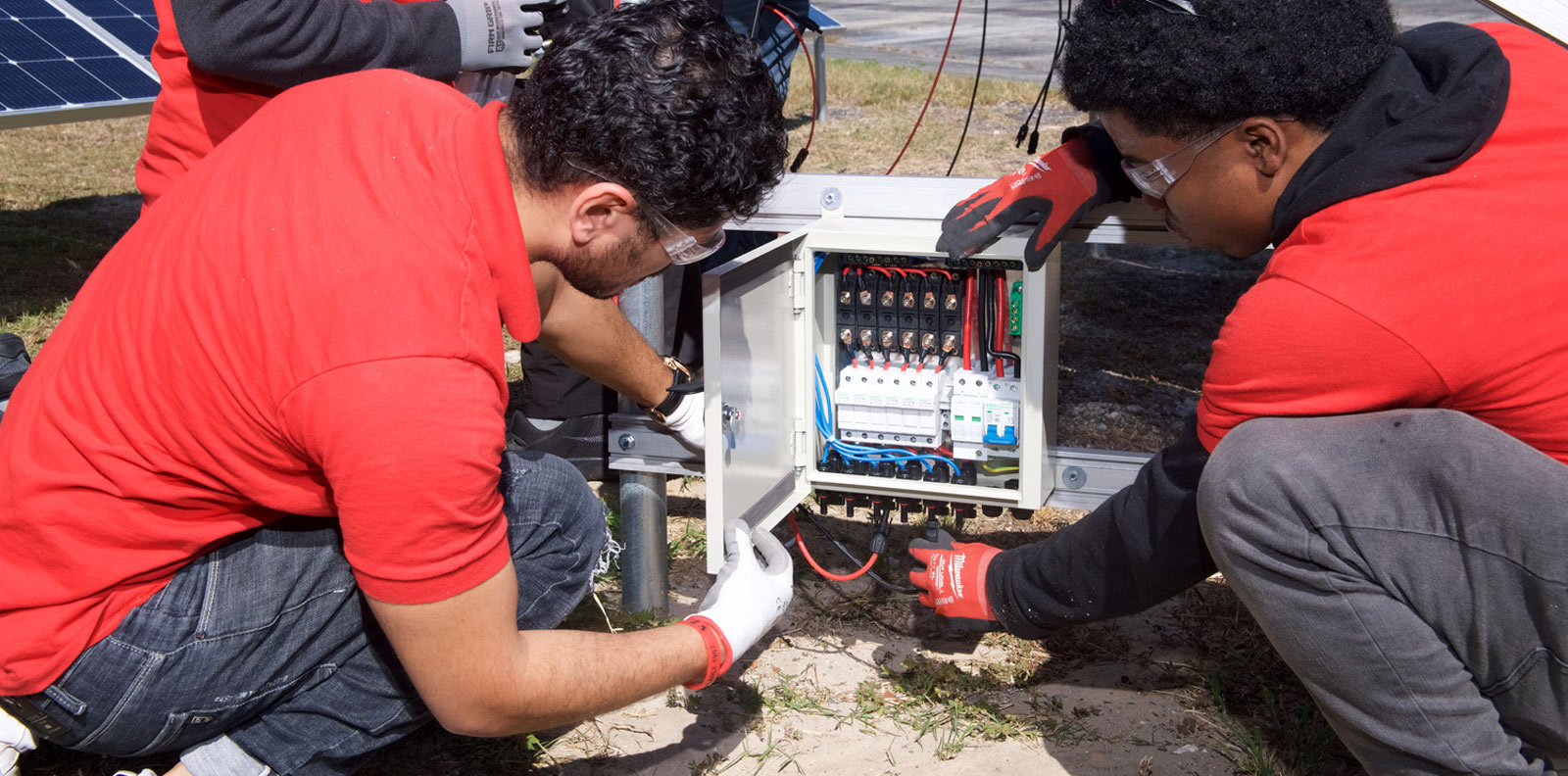
With focused training, such as industrial maintenance programs that cover electrical systems, mechanical components, and workplace safety, students can prepare for real-world maintenance positions and begin building a stable, hands-on career.
What Are Entry-Level Maintenance Jobs?
Entry-level industrial maintenance jobs are hands-on roles that focus on inspecting, repairing, installing, and supporting equipment or facilities under the guidance of more experienced technicians. These positions exist anywhere machinery, systems, or buildings require regular upkeep, including manufacturing plants, warehouses, hospitals, and commercial facilities.
Have You Considered a Career in the Skilled Trades?
Fill out the form to recieve a no obligation info packet.
Because these roles are designed for individuals new to the field, employers expect skills to develop over time. Early responsibilities often include routine inspections, basic repairs, and preventive maintenance tasks that reduce downtime and safety risks. As workers gain confidence and experience, they begin handling more complex systems and troubleshooting issues independently.
Many people are drawn to entry-level maintenance jobs because they provide a clear starting point for long-term growth. With experience and continued training, these roles can lead to advanced maintenance technician jobs, specialization in certain systems, or leadership opportunities within maintenance teams.
Do You Need a Degree to Work in Maintenance?
Some entry-level maintenance jobs do not require a four-year college degree, particularly in industrial and facilities environments. Employers tend to prioritize practical ability, safety awareness, and technical knowledge over academic credentials.
Short-term training and certificate programs help bridge this gap by teaching job-ready skills in a focused timeframe. Students learn how to use tools, understand mechanical and electrical systems, and follow industry safety standards. This type of preparation helps employers feel confident that new hires can contribute effectively from day one.
For individuals interested in maintenance careers without a degree, this skills-based approach offers flexibility and accessibility. It allows workers to enter the field quickly, earn income, and continue building expertise while on the job.

New: Industrial Maintenance
Learn About Our New Advanced Industrial Maintenance Program
Tulsa Welding School is proud to announce our newest program offering available at our Houston & Dallas Metro Campuses – Advanced Industrial Maintenance Technology! Learn the skills you need to take on the industries of manufacturing, distribution, energy production and facility maintenance in as few as 7 months.
What Entry-Level Maintenance Jobs Can You Get With Short-Term Training?
Industrial maintenance programs, like those offered at Tulsa Welding School (TWS) in Dallas and Houston, prepare students for a variety of entry-level roles. While job titles differ by employer, the core responsibilities often overlap and support steady career progression.
Equipment Maintenance Technician
An equipment maintenance technician focuses on keeping machinery operating safely and efficiently. Entry-level responsibilities typically include inspecting equipment, performing routine service, replacing worn components, and assisting with repairs.
This role provides hands-on exposure to industrial systems and helps technicians understand how machines operate under real working conditions. For many students, working as an equipment maintenance technician serves as a practical introduction to maintenance technician jobs in manufacturing and logistics environments.
Maintenance Technician or Maintenance Worker
Maintenance technicians and maintenance workers handle a wide range of repair and upkeep tasks across buildings, facilities, and equipment. At the entry level, work often includes preventive maintenance, basic mechanical repairs, and responding to service requests.
Because these roles require versatility, they are well suited for individuals who enjoy problem-solving and working with different systems. Over time, a maintenance technician builds familiarity with electrical components, mechanical assemblies, and facility systems, creating a strong foundation for advancement. According to career overviews, employers value reliability and hands-on ability more than extensive prior experience.
Mechanical Systems Installer
Mechanical systems installers assist with setting up machinery, motors, belts, and other mechanical components in industrial or commercial settings. Entry-level workers support experienced technicians during installations, align components, and help test systems before operation.
This role allows new technicians to develop confidence working with mechanical assemblies and installation procedures. It often appeals to students interested in industrial maintenance programs who want early exposure to system setup and configuration.
Operations or Maintenance Support Technician
Support technicians assist maintenance teams with inspections, diagnostics, safety checks, and routine service tasks. These roles provide valuable insight into how maintenance departments operate on a daily basis.
By working closely with experienced technicians, support staff gain practical knowledge that accelerates skill development. Many workers use this position as a stepping stone into full maintenance technician roles as their abilities grow.
What Skills Do Entry-Level Industrial Maintenance Employers Look For?
Employers hiring for entry-level industrial maintenance jobs consistently look for basic mechanical aptitude and a willingness to learn. Being comfortable using tools and following instructions is often more important than having years of experience.
Safety awareness is another critical factor, especially in industrial environments where equipment and systems can pose hazards. Employers want technicians who understand proper procedures and take workplace safety seriously.
Problem-solving skills also matter, even at the entry level. Maintenance technicians are expected to observe issues, ask questions, and apply training to real situations. Short-term training helps develop these habits early, making new hires more effective in maintenance technician jobs.
How Can Short-Term Training Prepare You for Maintenance Jobs?
Short-term industrial maintenance programs focus on practical skills that align directly with entry-level job requirements. Instead of spending years in a classroom, students receive hands-on instruction that mirrors real work environments.
Training typically includes electrical fundamentals, mechanical systems, and equipment troubleshooting. Students learn how systems function, how failures occur, and how maintenance prevents costly downtime.
What Does the Early Career Path in Maintenance Look Like?
During the first zero to three years, most workers begin in support or entry-level technician roles that reinforce foundational skills. These early positions emphasize learning, observation, and supervised problem-solving.
As experience grows, technicians take on more responsibility for repairs, diagnostics, and system performance. Continued exposure to different equipment builds confidence and opens doors to more specialized maintenance technician jobs.
For many individuals, entry-level maintenance jobs serve as the foundation for long-term careers in industrial maintenance, facilities management, or specialized technical fields. Advancement often depends on experience, reliability, and ongoing skill development rather than formal degrees.
Is an Entry-Level Maintenance Career Right for You?
Maintenance careers are well suited for people who enjoy hands-on work and solving practical problems. They appeal to individuals who prefer working with systems and equipment rather than sitting at a desk all day.
These roles also attract people seeking stability without long academic commitments. Short-term training offers a way to explore maintenance careers without a degree while building employable skills in a relatively short time.
For many students, entry-level maintenance jobs provide both immediate employment opportunities and long-term growth potential within the skilled trades.
What’s the Next Step if You’re Interested in Maintenance Training?
Understanding how quickly training can lead to real job opportunities can help you decide whether this path aligns with your goals. Short-term industrial maintenance programs are designed to move students from the classroom into the workforce efficiently.
The Industrial Maintenance Technician Training at the Tulsa Welding School prepares students for hands-on technical roles in about seven months by focusing on core skills in repair, maintenance, and system support. Graduates are trained for entry-level positions such as equipment maintenance technician, mechanical systems installer, and operations support technician.
If you want to explore how this type of training could help you qualify for entry-level maintenance jobs in under a year, request more information from TWS today.