TWS is a Great Training Option for Everyone
Learn more about how we can prepare you to advance your career.
Hospitals and medical facilities rely on far more than doctors, nurses, and clinical staff to operate safely every day. Behind the scenes, hospital maintenance technicians keep necessary systems running so patient care can continue without interruption. These professionals work with HVAC, electrical, mechanical, and plumbing systems that support patient rooms, labs, operating areas, and common spaces. Many of these roles fall under maintenance technician jobs focused on keeping critical healthcare environments operational.
Because hospitals operate around the clock, maintenance technician jobs in healthcare are structured, safety-focused, and highly procedural.
Maintenance technicians play a direct role in comfort, compliance, and operational continuity. For students and those interested in changing a career who want hands-on work that supports healthcare without providing patient care, hospital maintenance technician roles can be a strong fit.
Industrial maintenance technician training often provides the multi-system foundation hospitals look for when hiring, especially for hospital maintenance technician positions that require broad technical skills.
Have You Considered a Career in the Skilled Trades?
Fill out the form to recieve a no obligation info packet.
Why Hospitals Need Skilled Maintenance Technicians
Hospitals never close. That constant operation places heavy demands on building systems and equipment, which is why healthcare facilities depend on skilled maintenance technicians as they ensure:
- HVAC systems maintain proper air quality, temperature, and ventilation across patient rooms, labs, and surgical areas.
- Electrical systems remain reliable to support lighting, monitoring equipment, and facility workflows.
- Plumbing and mechanical systems function consistently to avoid disruptions that affect sanitation and daily operations.
Even small system failures can create delays or safety concerns. Hospital maintenance technicians are trained to prioritize safety, follow protocols, and restore functionality efficiently. National occupational data highlights how general maintenance and repair workers support facilities across industries, including healthcare.
What Does a Hospital Maintenance Technician Actually Do?
Maintain Core Building Systems
A hospital maintenance technician works across multiple systems to keep the facility functional and compliant. Common responsibilities include:
- Inspecting and servicing HVAC equipment
- Supporting electrical systems and basic repairs
- Maintaining plumbing and mechanical components
- Addressing wear and tear in patient and staff areas
Much of this work happens indoors in clean, climate-controlled environments. That distinction separates hospital maintenance from many outdoor, construction-based, or site-to-site maintenance technician jobs. The work still requires technical skill, but it is performed in occupied, highly-regulated spaces where precision and communication matter.
Perform Preventive Maintenance
Preventive maintenance is a major part of healthcare maintenance careers. Technicians follow scheduled checklists and inspection routines designed to reduce the risk of breakdowns.
New: Industrial Maintenance
Learn About Our New Advanced Industrial Maintenance Program
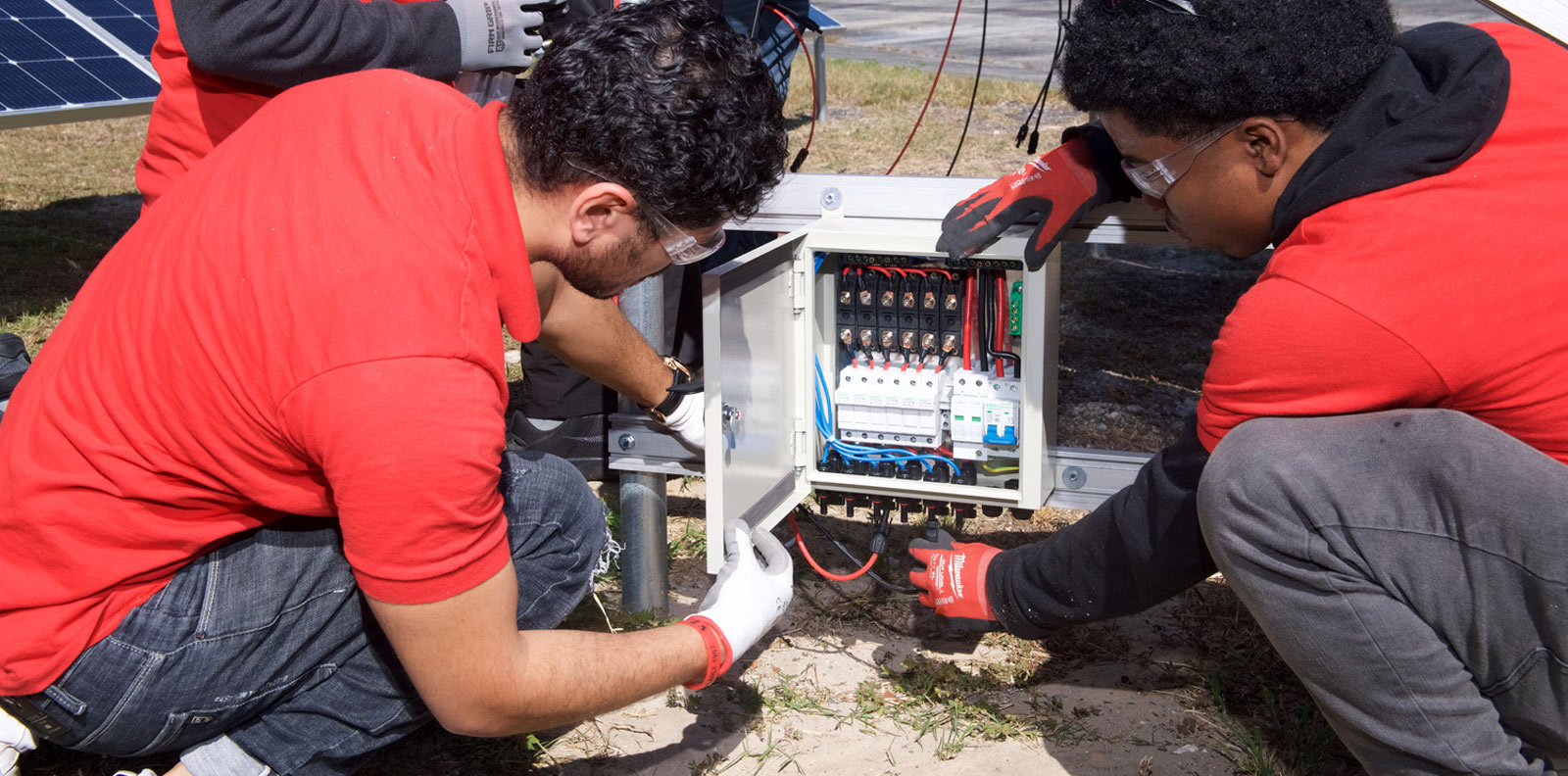
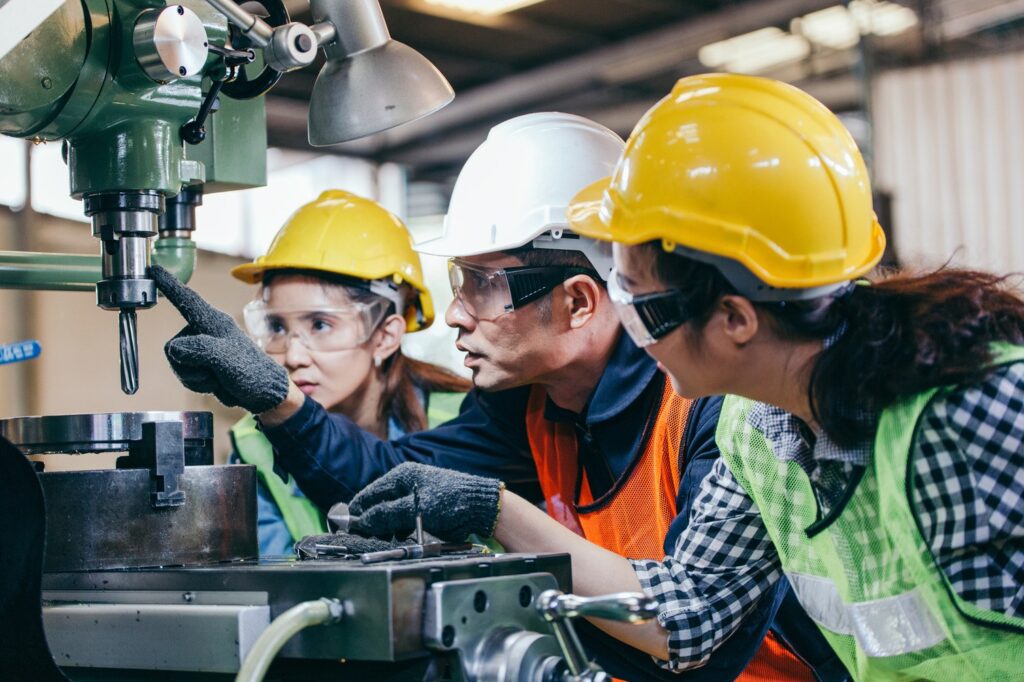
Tulsa Welding School is proud to announce our newest program offering available at our Houston & Dallas Metro Campuses – Advanced Industrial Maintenance Technology! Learn the skills you need to take on the industries of manufacturing, distribution, energy production and facility maintenance in as few as 7 months.
- Routine equipment inspections
- Scheduled servicing of mechanical systems
- Documentation of completed maintenance tasks
Preventive maintenance helps hospitals avoid emergency repairs that could interrupt patient care or daily operations.
Troubleshoot and Respond to Repairs
When problems arise, hospital maintenance technicians diagnose issues, isolate safety risks, and work toward timely solutions. Troubleshooting skills are important because repairs often need to happen quickly and quietly in active care environments.
Technicians must understand how systems interact, how to work safely around patients and staff, and how to coordinate repairs without interrupting critical operations. Clear communication and documentation help ensure problems are resolved correctly the first time.
Support Healthcare Operations Without Patient Care
Hospital maintenance technicians do not provide medical treatment, but their work directly affects patient comfort and staff efficiency. Reliable systems support temperature control, lighting, sanitation, and overall functionality.
By keeping infrastructure stable, maintenance technicians allow clinical teams to focus on patient care without worrying about the building systems around them.
How Hospital Maintenance Is Different From Other Maintenance Jobs
Healthcare environments have unique expectations that shape daily maintenance work.
- Work typically takes place indoors in clean, regulated settings
- Safety protocols and documentation standards are strictly enforced
- Systems must remain operational at all times, including nights and weekends
Schedules can be more predictable than some field-based maintenance roles, depending on the facility and shift structure. For career changers, healthcare maintenance careers often feel appealing because the work supports a mission-driven environment without requiring clinical credentials.
Skills Hospitals Look for in Maintenance Technicians
Hospitals value maintenance technicians with a broad technical skill set rather than narrow specialization. Commonly sought skills include:
- Electrical fundamentals
- HVAC knowledge
- Mechanical troubleshooting ability
- Safety awareness and compliance
- Clear communication and documentation
These skills closely align with what maintenance technician training and industrial maintenance technician training programs focus on teaching. Broad, systems-based training prepares technicians to adapt to the varied infrastructure found in hospitals and medical facilities.
Can Industrial Maintenance Training Lead to Hospital Jobs?
Many hospitals hire maintenance technicians with industrial backgrounds because healthcare facilities use similar systems to those found in manufacturing and commercial settings.
Industrial maintenance training introduces students to:
- Electrical and mechanical fundamentals
- HVAC concepts
- Preventive maintenance practices
- Troubleshooting techniques
This broad exposure helps technicians feel comfortable working across systems. Training programs also emphasize safety-first thinking, which translates well into healthcare environments.
Why This Career Can Be a Strong Fit for Students and Career Changers
Hospital maintenance technician roles offer a way to support meaningful work without direct patient interaction. This balance appeals to individuals who enjoy hands-on problem solving and structured environments.
Industrial maintenance skills are transferable, which provides flexibility to move between industries over time and across industrial maintenance careers. For those seeking long-term stability, healthcare maintenance careers can be an appealing option.
Start Training for Industrial Maintenance Careers
If you’re interested in maintaining the systems that keep hospitals running, training is often a practical first step. Industrial maintenance technician training can prepare students for entry-level maintenance technician jobs in healthcare and beyond.
Industrial maintenance training supports your career goals by developing multi-system competence, safety awareness, and troubleshooting habits that employers rely on in high-responsibility environments. Structured training programs also help students understand timelines, expectations, and career pathways within the skilled trades.
Interested in seeing where industrial maintenance training can take you? Reach out to our team to learn more..