TWS is a Great Training Option for Everyone
Learn more about how we can prepare you to advance your career.
Feeling stuck in a job you have outgrown can drain your energy and confidence, especially when you are balancing family responsibilities, long hours, or financial pressure. Many adults want a better path but feel unsure about what is possible within the limits of their current routine. Recent research from McKinsey shows that the United States is facing high demand for skilled trades professionals as retirements rise and employers struggle to fill important roles.
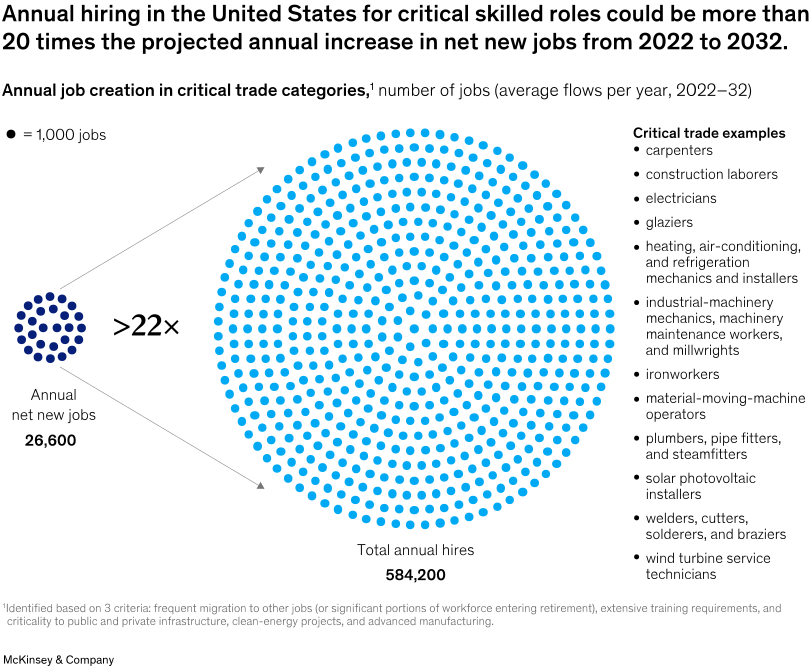
At the same time, training paths in the skilled trades have evolved to offer the kind of trade school flexibility that busy adults need.
With morning and evening classes and relatively short program timelines, many people find that exploring skilled trades programs can be a realistic first step toward a new career that fits their life.
Have You Considered a Career in the Skilled Trades?
Fill out the form to recieve a no obligation info packet.
Why Skilled Trades Offer a Practical Path to a Better Career
Demand for skilled trades workers has climbed as experienced professionals retire and employers search for new technicians. Fields such as welding, HVAC and refrigeration, electrical, lineworker, and industrial maintenance can offer long-term stability because they support the systems people rely on every day. These roles exist in homes, businesses, factories, transportation, construction, and community infrastructure.
Many individuals enter these fields from unrelated backgrounds. The emphasis on hands-on learning helps adults build confidence through practice rather than prior experience. Each step of training connects directly to tasks performed on real job sites. This creates a sense of progression because you can see the purpose behind the skills you are developing. For adults considering whether to enroll in trade school, this clear connection between training and real work often makes the transition feel achievable.
Training Options Connected to Real Careers
Skilled trades training programs are built with busy, career-focused adults in mind.
Many educational organizations, such as Tulsa Welding School, offer flexible program schedules to help learners balance classes with work and family life. This level of trade school flexibility allows you to maintain income while preparing for a new career. It also gives you control over how quickly you move through the program.
Many skilled trades programs can be completed in months rather than years. This shorter timeline helps adults step into new roles without committing to long academic pathways. Each program connects to a specific career that shows up in daily life, so you can visualize the type of work you may do after graduation.
Professional Welding
From the frame of your car to the equipment used in hospitals, the work of skilled welders appears in more areas of daily life than most people realize. Their expertise helps ensure that buildings stay structurally sound, transportation systems operate safely, and essential machinery performs the way it should.
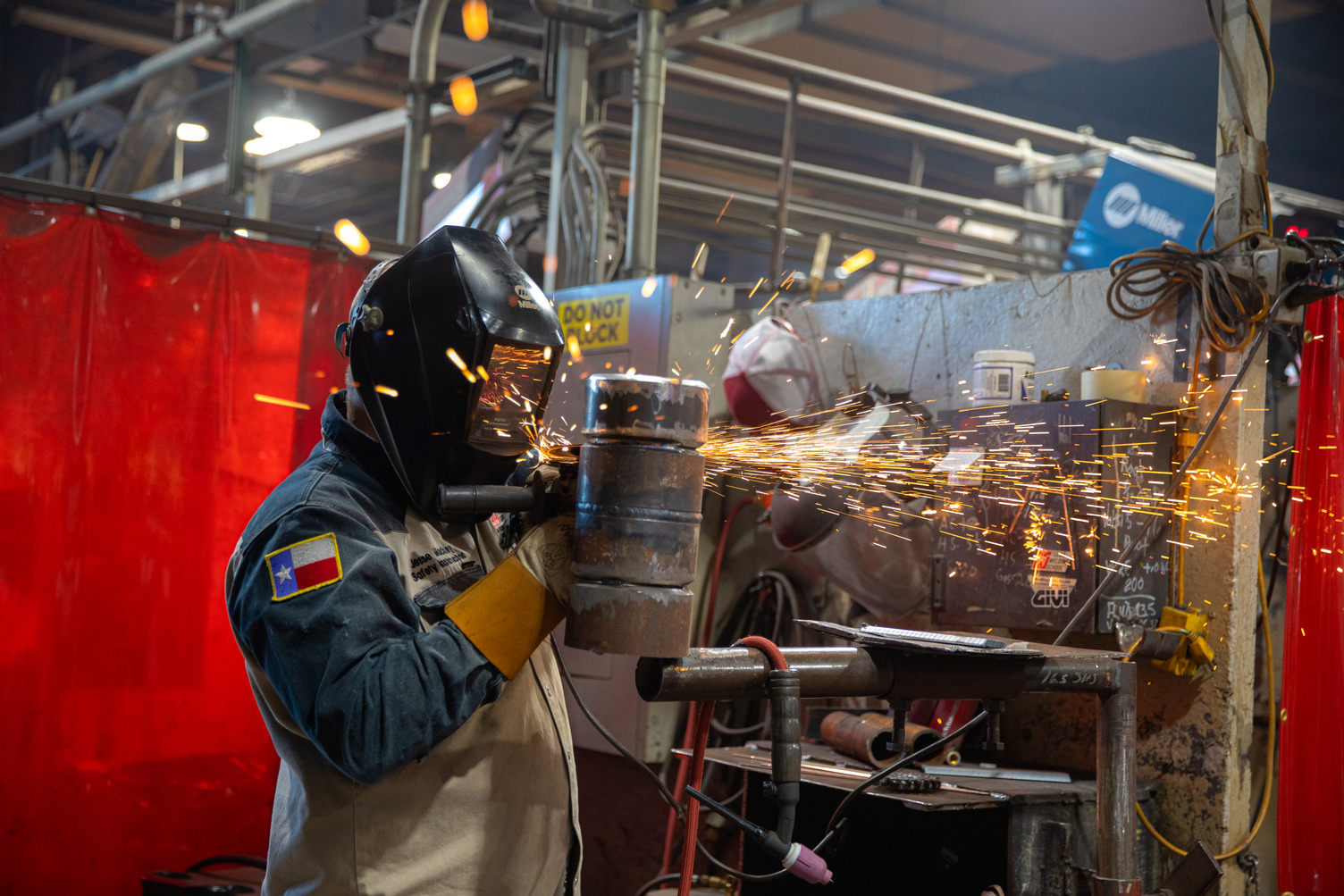
Welding programs prepare students to work on these kinds of projects by teaching the core processes used throughout construction, manufacturing, and fabrication. Training covers how to join metal safely and accurately, how to read welding symbols, and how to work with the tools and techniques used in the field.
These skills help graduates contribute to the systems and structures that communities rely on.
HVAC and Refrigeration
Climate control systems support comfort, safety, and reliable operation in homes, schools, healthcare facilities, and businesses. Technicians in HVAC and refrigeration keep these systems running so that food stays preserved, indoor environments stay safe, and equipment performs without interruption.
HVAC and Refrigeration programs teach students how these systems operate and how to maintain, repair, and install them. Training includes learning to read gauges, identify airflow or pressure issues, replace components, and solve common performance problems.
These skills allow graduates to support the climate control systems that households and businesses depend on every day.
Electrical
Every home, school, hospital, and workplace relies on electrical systems to stay functional and safe. Technicians keep these environments powered by installing and maintaining the wiring, circuits, and components that make modern life possible.
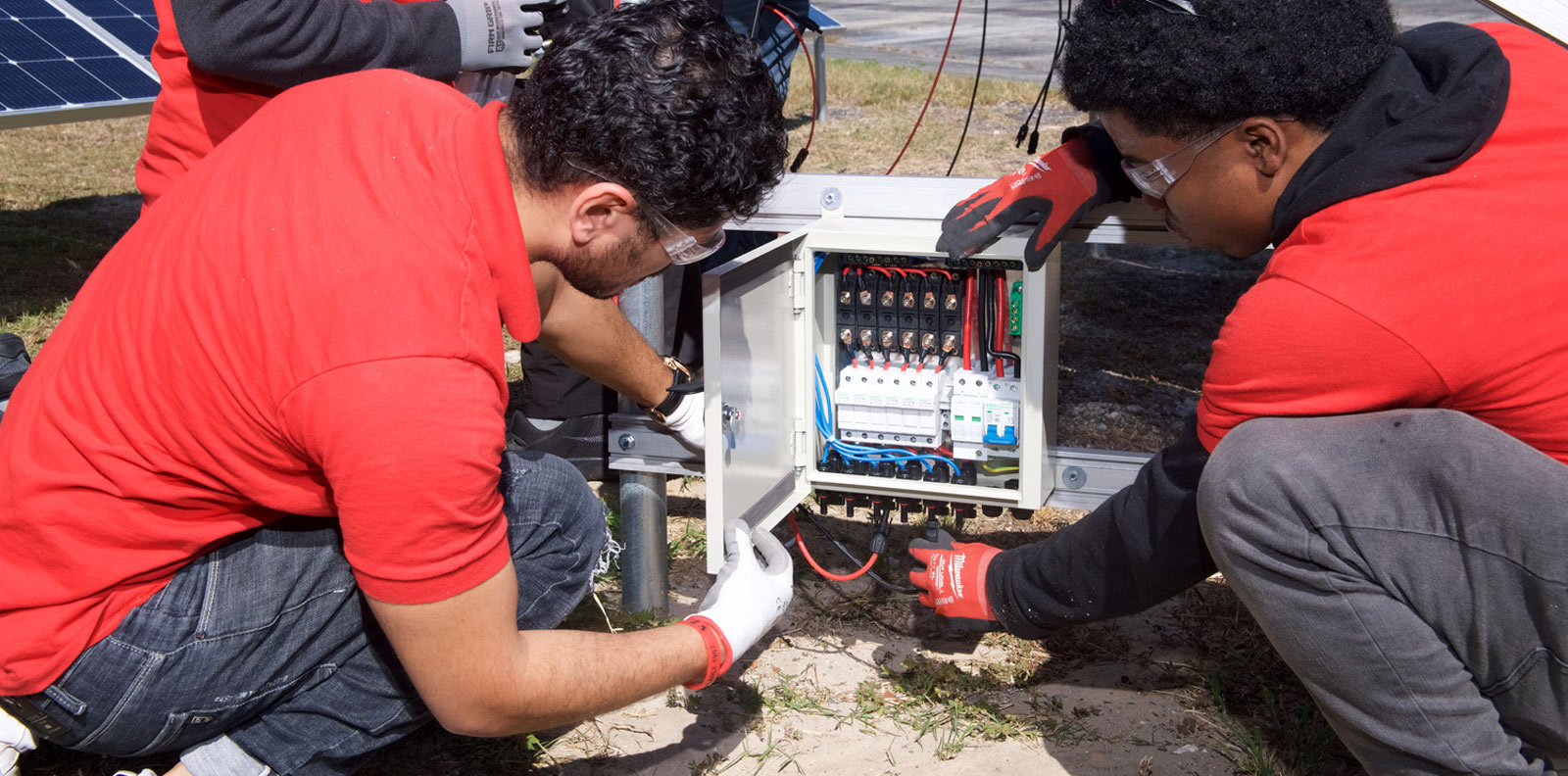
Electrical programs introduce students to the tools and techniques used to build and maintain these systems. Learners practice wiring circuits, interpreting electrical diagrams, installing components, and testing for safety and performance.
These skills prepare graduates to support the infrastructure that keeps communities running.
Electrical Lineworker
From restoring power after storms to maintaining the grid that supplies electricity across neighborhoods, lineworkers work at the front lines of electrical infrastructure. Their work takes them outdoors and often at heights, repairing and installing high-voltage lines that keep homes and businesses connected.
The Electrical Lineworker program at Tulsa Welding School trains students to climb poles safely, operate bucket trucks, use rigging and harnesses, and work with live electrical systems. Training includes pole yard practice, classroom instruction, and jobsite safety.
These skills prepare graduates for physical, hands-on work that keeps the lights on and communities powered.
Industrial Maintenance Technician
Manufacturing and production facilities depend on equipment that operates safely and consistently. Industrial maintenance technicians help keep these systems running so that the goods people use each day can be produced without delay.
Industrial maintenance programs teach students how mechanical, electrical, hydraulic, and pneumatic systems work together on the job. Training includes diagnosing equipment issues, performing repairs, completing preventative maintenance tasks, and restoring systems to safe operation.
These skills equip graduates to support the machinery that keeps production lines moving.
Start Your Career Shift with Tulsa Welding School in 2026
A new year is a chance to create a new path, and Tulsa Welding School can help you take the first step. Whether you’re just starting to think about a career change or ready to make your move, we offer a clear path built around your goals, schedule, and responsibilities.
Here’s how to get started:
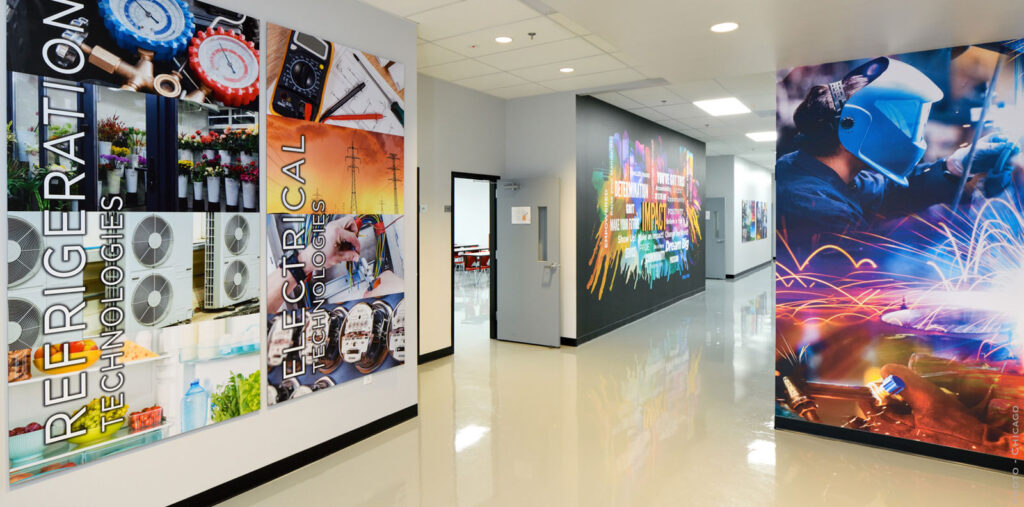
- Identify your interests and strengths: TWS offers hands-on training in welding, HVAC/R, electrical, and electro-mechanical technologies. These programs are built for people who prefer to learn by doing.
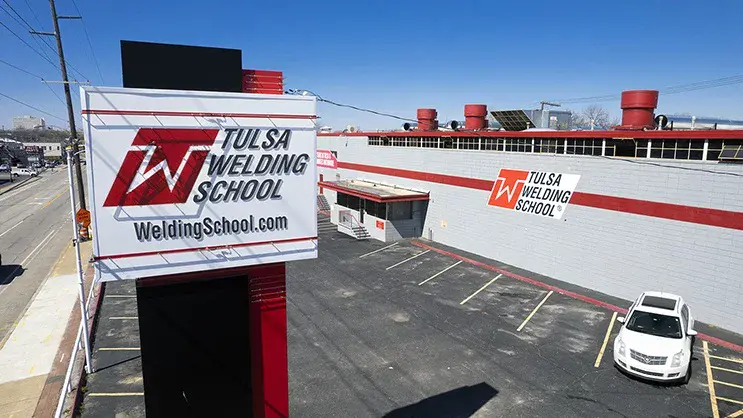
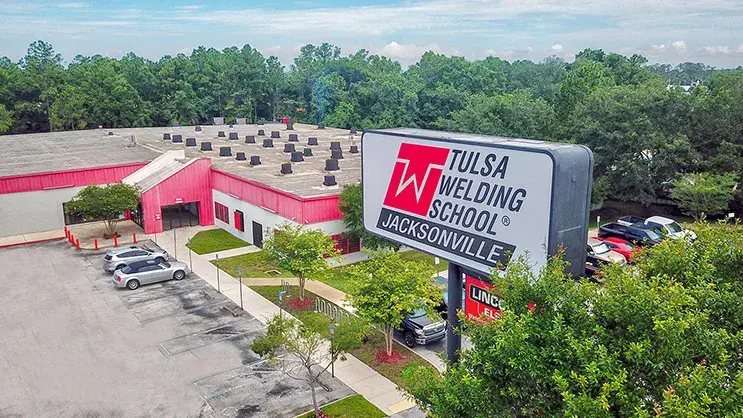
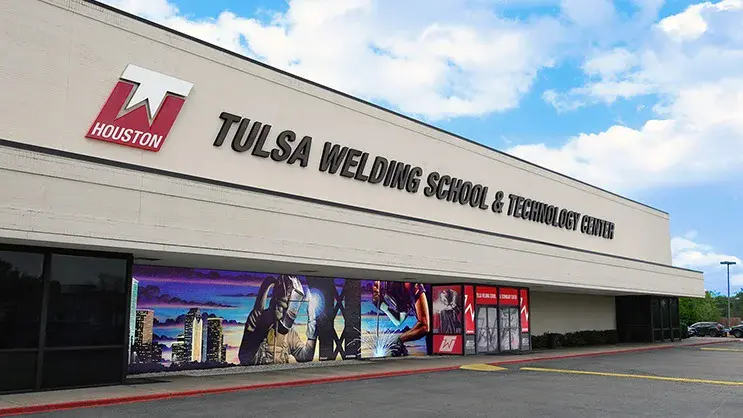
- Explore training programs: Our campuses in Tulsa, Jacksonville, Houston, and Dallas offer programs that range from 7 to 14 months, depending on what you want to study.
- Pick a schedule that fits your life: We offer flexible class times and support services that make it easier to train while managing work or family.
- Talk with your support system: Whether it’s family, roommates, or an employer, share your goals and create a plan together.
- Take the first small step: Visit a campus, join an info session, or speak with an advisor. We can walk you through your options and what to expect next.
Tulsa Welding School is focused on helping you move forward with confidence. Our training is built for real-world careers, and our team is here to support you every step of the way.
Where Your Next Career Could Begin
Changing careers takes planning, but it is more realistic than many people expect. Skilled trades training offers a clear path forward because it connects your effort in the classroom to work that supports families, businesses, and communities. With flexible schedules and programs that build real skills, you can prepare for a new field while still meeting the responsibilities you carry now.
If a new career is on your mind, this is a good moment to explore what that path could look like for you. Reach out to Tulsa Welding School to discuss your goals and see where your new career could lead.