TWS is a Great Training Option for Everyone
Learn more about how we can prepare you to advance your career.
Atlanta’s climate creates steady demand for HVAC technicians. Long, humid summers and sudden winter cold snaps mean homes and businesses across the metro depend on trained professionals to keep heating and cooling systems operating year-round. That steady need makes HVAC one of the most reliable skilled trades in the Atlanta area.
For those interested in hands-on work with strong job demand and clear paths into the field, starting an HVAC career in the Atlanta metro offers practical opportunities. Understanding how training, certification, and local employer demand fit together is an important first step toward entry-level HVAC work and long-term career growth.
Step 1: Understand What HVAC Technicians Do in Atlanta
HVAC technicians install, maintain, and repair heating, ventilation, and air conditioning systems. In the Atlanta metro, this work can take place in residential, commercial, and light industrial environments, including homes, apartment communities, office buildings, retail spaces, warehouses, and healthcare facilities.
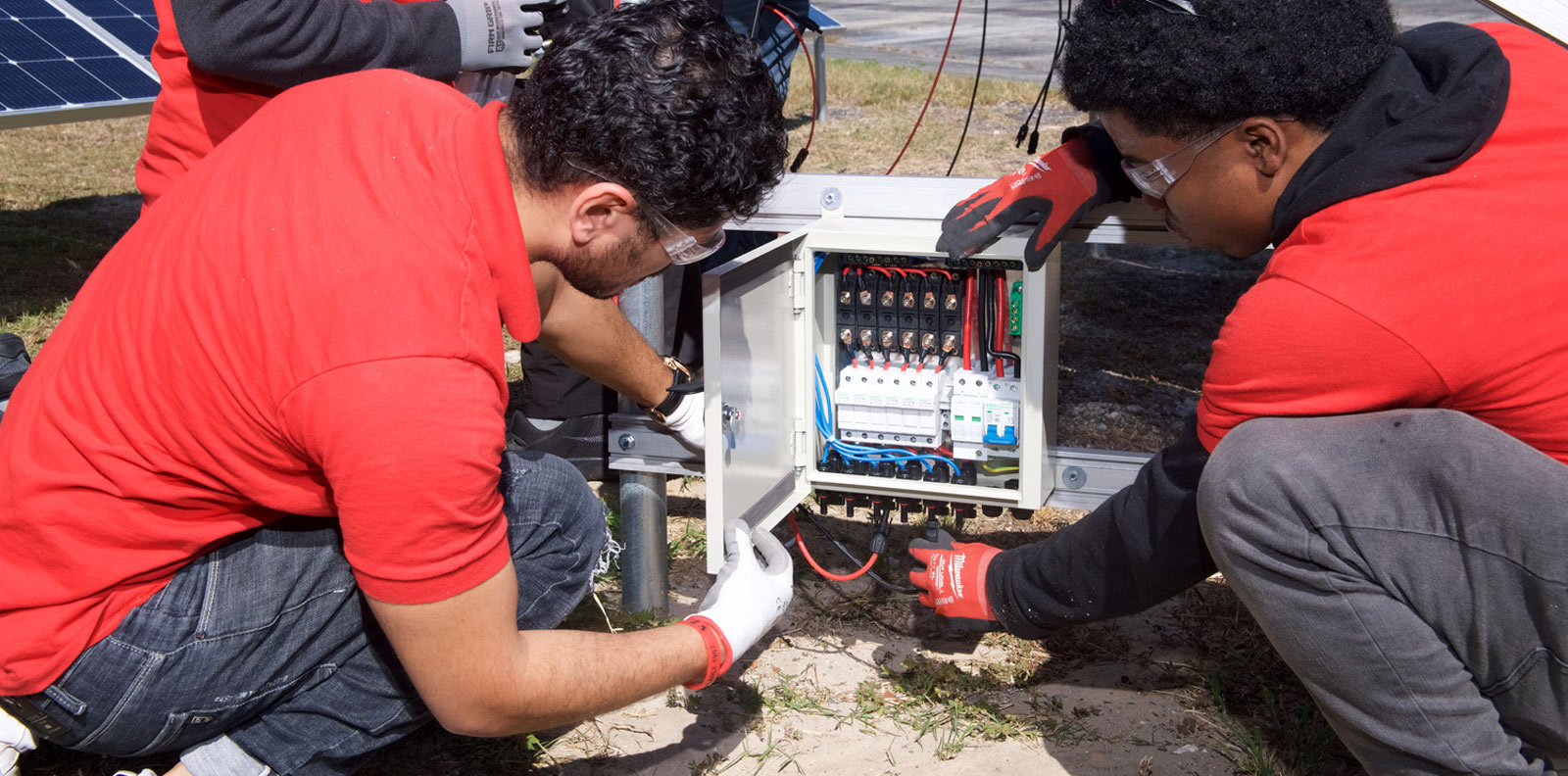
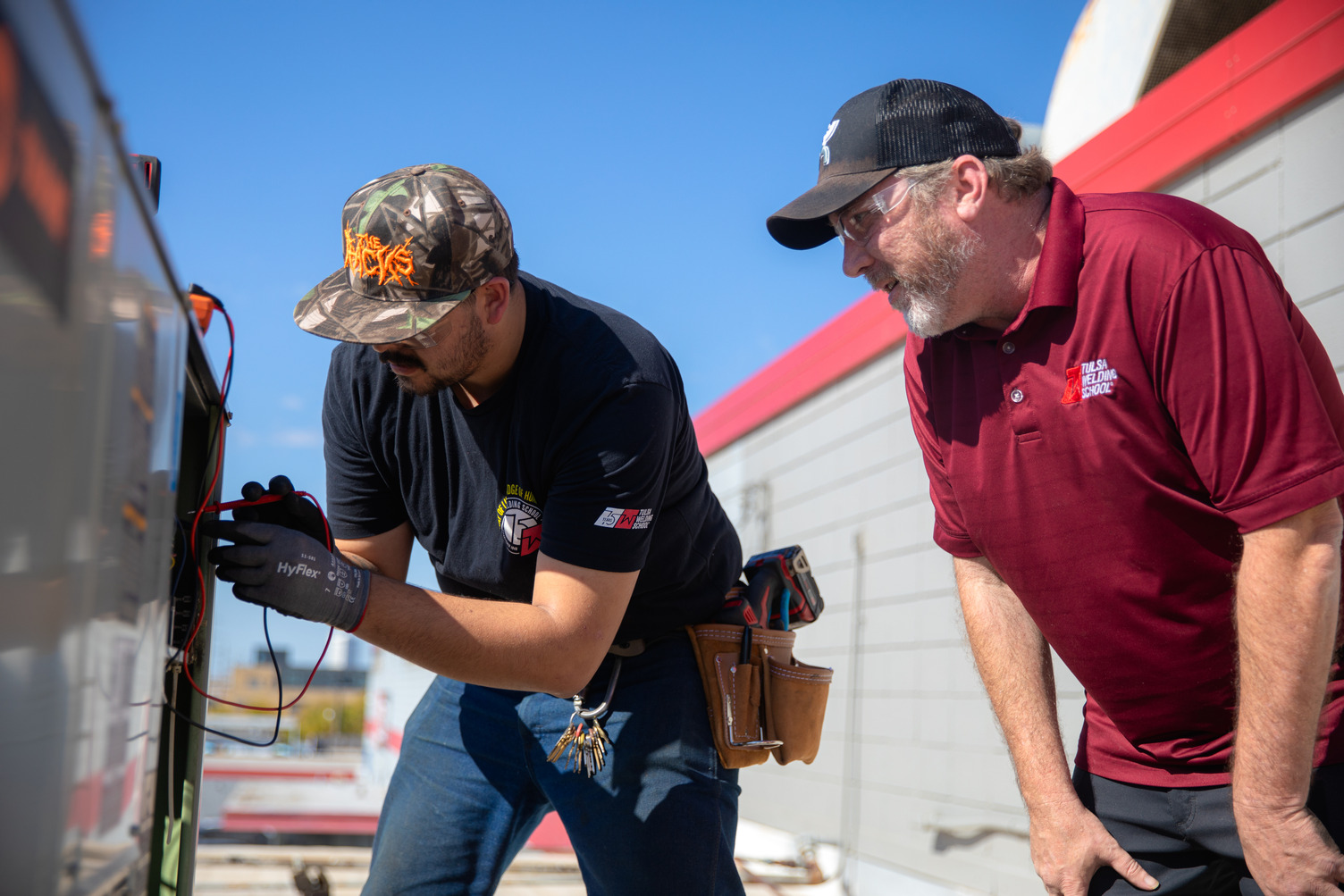
Day-to-day work often involves responding to service calls, inspecting equipment, identifying mechanical or electrical issues, and making repairs that restore comfort and system efficiency. Entry-level technicians typically assist more experienced professionals while learning how to follow safety procedures, read technical diagrams, and use industry tools correctly.
Have You Considered a Career in the Skilled Trades?
Fill out the form to recieve a no obligation info packet.
Common responsibilities at the entry level include:
- Installing heating and cooling systems
- Performing routine inspections and maintenance
- Diagnosing basic system issues
- Replacing components such as motors, compressors, belts, and thermostats
As technicians gain experience, they often work more independently and may specialize in areas such as commercial HVAC systems, refrigeration, or building automation and controls.
Step 2: Meeting Basic Education Requirements
Most HVAC employers and training programs require a high school diploma or GED. While prior HVAC experience is not usually required, having a basic educational foundation helps students succeed during training and early employment.
Helpful skills and coursework include:
- Math skills, especially measurements and basic algebra
- Mechanical or technical aptitude
- Comfort working with tools and equipment
- Strong problem-solving skills and attention to detail
These fundamentals support success in hands-on training environments and on job sites where accuracy and safety matter.
Step 3: Choose a Training Path
To qualify for HVAC jobs in the Atlanta metro, most individuals need structured training or supervised on-the-job experience. Employers generally look for candidates who understand HVAC systems, safety practices, and industry standards before hiring.
HVAC Training Programs
Many aspiring technicians choose to pursue a formal HVAC training program to gain hands-on experience before entering the workforce. These programs are designed to teach the practical skills employers expect from entry-level technicians, including:
- Electrical systems used in HVAC
- Heating and cooling technologies
- Refrigeration fundamentals
- System installation and troubleshooting
In addition to hands-on training, most HVAC training programs also help students prepare for required industry certifications—such as EPA Section 608—while they train. This allows students to learn refrigerant handling regulations, safety standards, and compliance requirements alongside the technical skills they’ll use on the job.
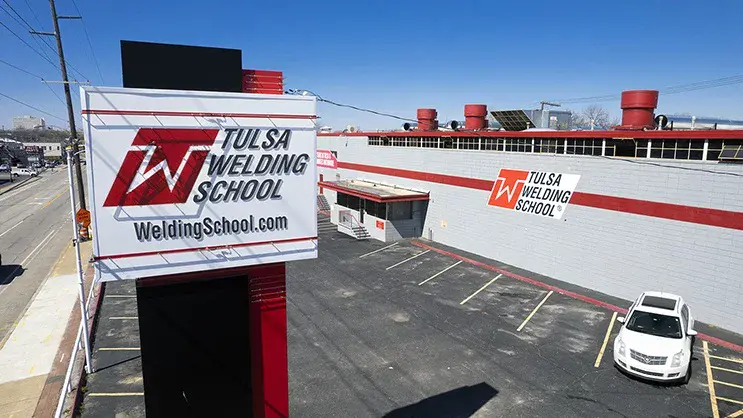
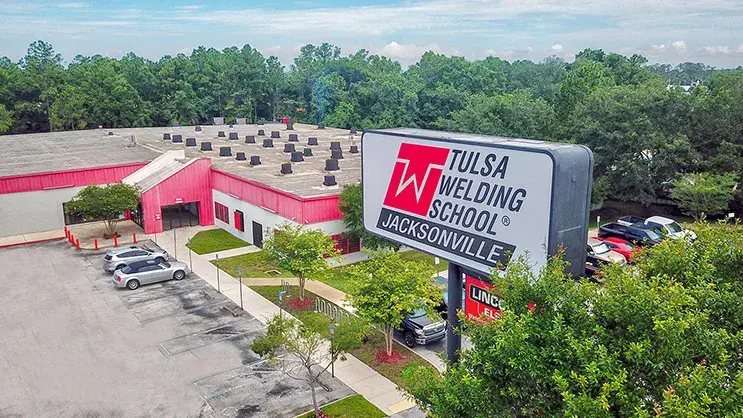
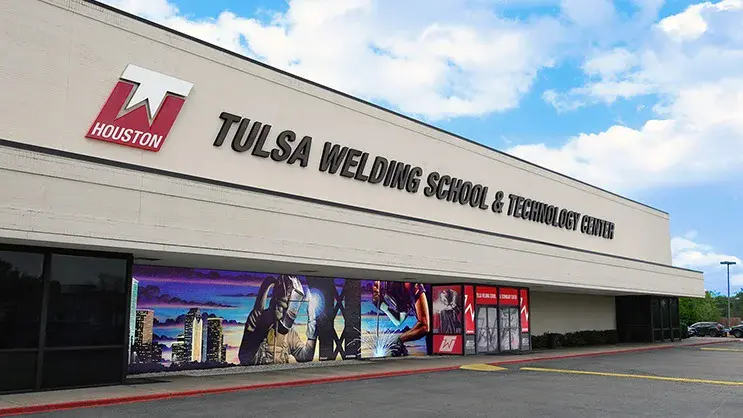
Tulsa Welding School offers HVAC training that combines hands-on instruction with certification preparation, helping students work toward entry-level HVAC jobs with both skills and credentials in place.
Apprenticeships and On-the-Job Training
Some employers and unions offer apprenticeships that combine paid work with structured learning. These opportunities allow individuals to earn while gaining experience, though they can be competitive and may still require foundational HVAC knowledge. In many cases, formal training helps candidates qualify for these opportunities more quickly.
Step 4: Earn Required HVAC Certifications
Certification is an important step toward working in HVAC. One of the most common requirements for technicians is EPA Section 608 certification, which is required to handle refrigerants legally.
This certification demonstrates that a technician understands:
- Proper refrigerant recovery procedures
- Environmental and safety regulations
- Compliance standards for HVAC systems
Holding required certifications helps technicians meet employer expectations and regulatory requirements as they enter the workforce.
Step 5: Atlanta HVAC Job Outlook and Employer Demand
Atlanta’s HVAC job market is supported by year-round climate control needs, continued population growth, and ongoing residential and commercial construction. These conditions create consistent demand for HVAC installation, maintenance, and repair services across the metro area.
HVAC jobs in Atlanta are available with:
- Residential HVAC service companies
- Commercial HVAC contractors
- Property management firms
- Manufacturing and industrial facilities
- Hospitals, universities, and large institutions
Common entry-level job titles include HVAC Technician, HVAC Installer, HVAC Helper or Apprentice, and Maintenance Technician. With experience, technicians may pursue advanced certifications, move into supervisory roles, or specialize in higher-complexity systems.
Step 6: Transition from Training to Employment
After completing HVAC training and earning required certifications, the focus shifts from learning the trade to securing employment. For many new technicians, this transition can feel unfamiliar (especially for those entering the workforce for the first time or changing careers.) Guidance during this stage can help make the process more structured and less overwhelming.
Tulsa Welding School’s Career Services department is designed to support students as they move from training into employment. Career Services helps students understand how to position themselves for entry-level HVAC roles and navigate the hiring process with greater confidence.
Career services support may include:
- Resume development tailored to HVAC positions, highlighting hands-on training, technical skills, and certifications like EPA Section 608
- Interview preparation, including guidance on common HVAC interview questions and how to discuss technical experience clearly
- Job search assistance, such as identifying local HVAC employers and understanding which roles align with entry-level experience
- Employer connections, built through relationships with companies seeking trained HVAC technicians
This added support helps bridge the gap between training and employment, allowing graduates to pursue HVAC jobs across the Atlanta metro with clearer expectations.
Starting Your HVAC Career in Atlanta
Starting an HVAC career in Atlanta follows a practical progression: learning how systems work, meeting certification requirements, and entering a job market supported by strong regional demand. For those seeking hands-on work and long-term opportunity, HVAC offers a dependable path into a skilled profession.
With focused training, certification preparation, and career support, Tulsa Welding School helps students prepare for entry-level HVAC jobs and begin building careers in the field.
To explore whether HVAC training is the right next step for you, request more information and learn about our available programs and support resources.