TWS is a Great Training Option for Everyone
Learn more about how we can prepare you to advance your career.
A master electrician license represents one of the highest levels of responsibility and opportunity in the electrical trade.
More than advanced technical skill, it allows electricians to plan complex systems, supervise teams, and take legal responsibility for electrical work. Understanding what this license enables is essential for long-term career planning.
A master electrician license changes how you work, what roles you qualify for, and how much influence you have over your career. Knowing how the role expands beyond journeyman work, and how training supports that progression, helps you decide whether this level of responsibility is the right fit.
What Can You Do With a Master Electrician License?
Becoming a master electrician allows you to move beyond hands-on installation and take responsibility for entire electrical systems. Instead of focusing only on wiring and equipment, you oversee how systems are designed, implemented, and maintained. That shift affects both your day-to-day work and the direction of your career.
Have You Considered a Career in the Skilled Trades?
Fill out the form to recieve a no obligation info packet.
At this level, you can plan electrical systems, supervise other electricians, and serve as the responsible license holder on projects. Your license allows you to sign permits, approve completed work, and confirm compliance with applicable electrical codes. This authority places you at the center of project planning and execution.
Although specific permissions vary by state, the license consistently signals advanced leadership within the trade. Employers, inspectors, and clients recognize it as confirmation that you have the experience and judgment to manage complex electrical work safely.
What Makes a Master Electrician Different From a Journeyman?
The difference between a master electrician and a journeyman comes down to authority, accountability, and independence. While both roles require strong technical skills, the scope of responsibility is significantly broader at the master level.
As a journeyman, you typically perform electrical work under supervision. As a master electrician, you can oversee projects, direct crews, and take legal responsibility for the work performed under your license. Instead of simply completing tasks, you determine how work is planned, assigned, and approved.
These distinctions affect job scope, leadership expectations, and long-term flexibility. Greater authority brings greater responsibility, but it also opens access to roles that are not available to journeymen.
What Responsibilities Does a Master Electrician Have?
Master electrician responsibilities extend well beyond technical execution. Master electricians are responsible for planning, supervision, and safety oversight across projects. That responsibility shapes how work is organized and delivered.
You are accountable not only for your own installations, but also for the electrical work completed by others under your license. When issues arise, you are responsible for ensuring they are corrected and brought into compliance. Accountability, advanced technical knowledge, leadership, and decision-making are central to the role.
How Do Master Electricians Supervise Work and Ensure Safety?
As a master electrician, you interpret plans and specifications to guide electrical work across residential, commercial, and industrial projects. You translate drawings and code requirements into clear direction so crews can work accurately and efficiently.
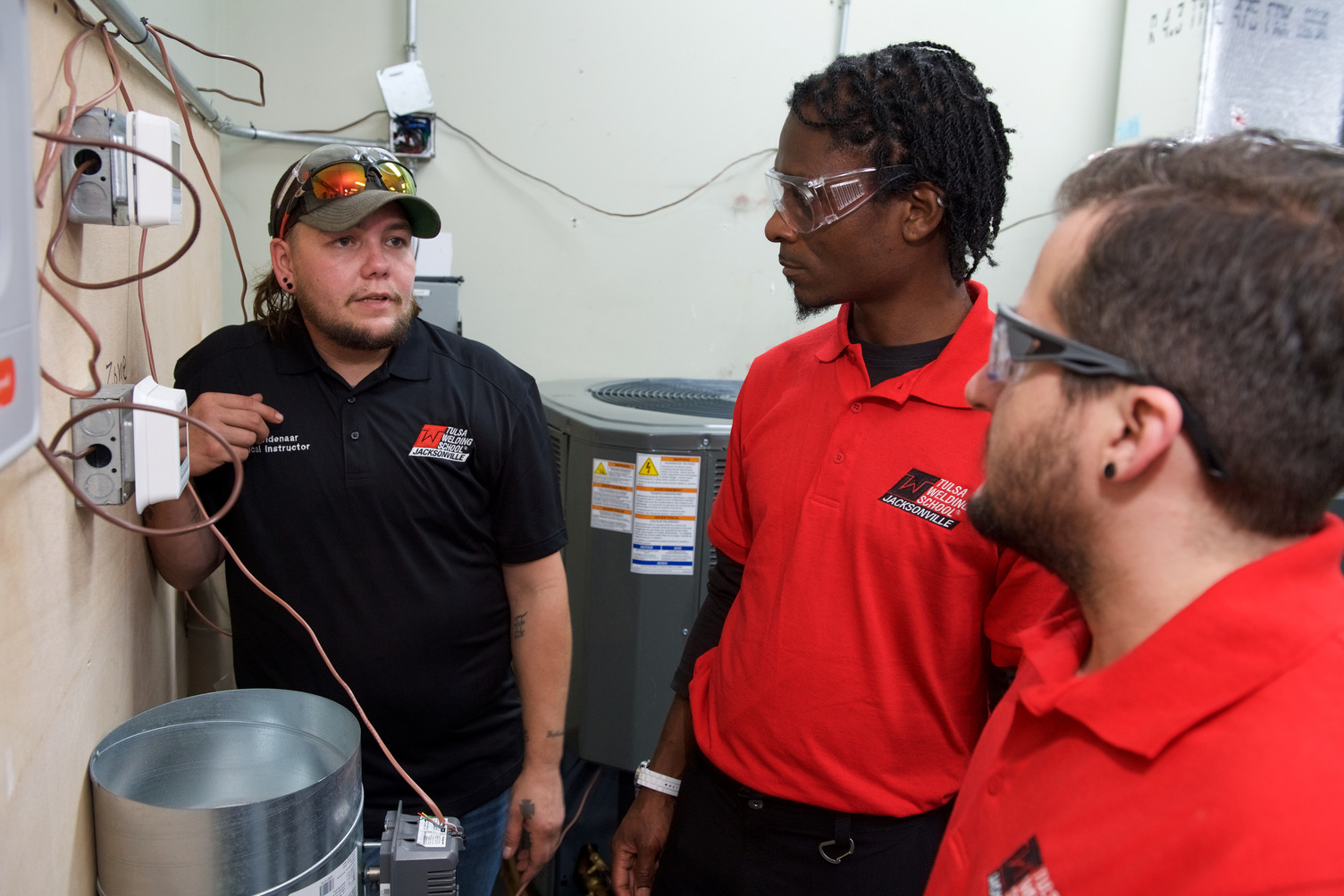
You supervise journeymen and apprentices, assign tasks, and monitor workmanship. This includes answering technical questions, addressing errors early, and reinforcing safe work practices on the jobsite.
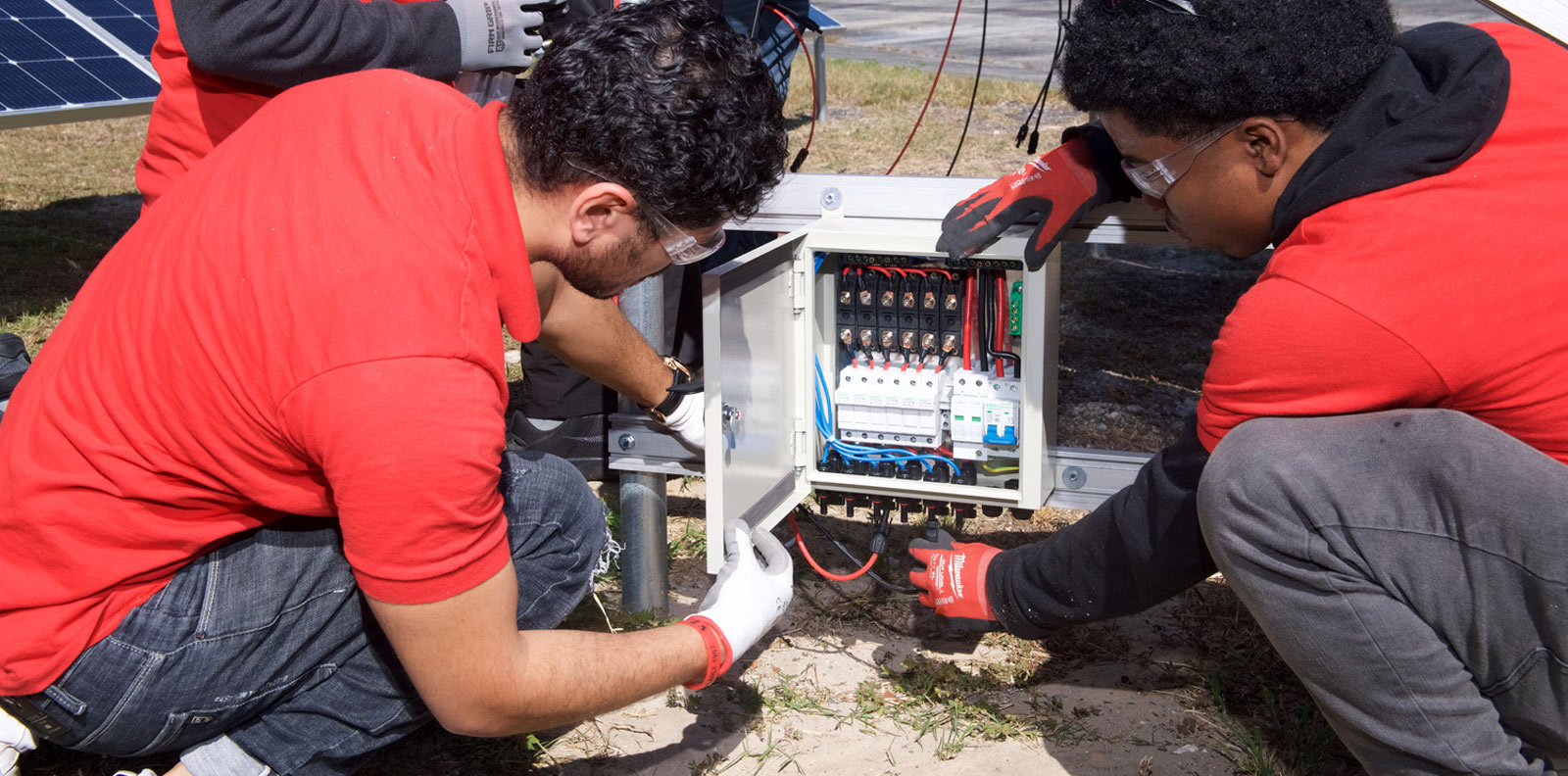
Code compliance, inspections, and risk prevention are central to your role. You stay current with electrical codes and ensure installations pass inspection. In some cases, responsibilities extend into advanced or renewable energy systems.
What Jobs Can You Get With a Master Electrician License?
A master electrician license allows you to work across residential, commercial, industrial, and infrastructure settings. This range of options makes it easier to adjust your work environment as your interests or opportunities change.
The license opens access to higher-responsibility roles that involve planning, oversight, and leadership. Rather than focusing only on installation, you may manage projects or systems from start to finish. That expanded scope often leads to steadier work.
What Leadership or Foreman Roles Can Master Electricians Hold?
Many master electricians move into leadership roles managing electrical crews. In these positions, you oversee workflow, coordination, and quality standards.
Your responsibilities may include scheduling, material management, and quality control. You ensure work stays on schedule while meeting safety and code requirements. The decisions you make directly affect project outcomes.
These roles emphasize accountability, communication, and problem-solving. Over time, strong leadership skills can lead to larger projects or more senior positions.
What Specialized Electrical Systems Do Master Electricians Work On?
Some master electricians specialize in power distribution, switchgear, or motor control systems. These systems require advanced planning and a deep understanding of electrical theory.
Others work with emergency power, generators, and life-safety systems. These installations are critical in hospitals, data centers, and public facilities where reliability is essential.
Specialization can increase long-term demand and career stability. As electrical systems continue to evolve, focused expertise helps you remain competitive.
What Career Paths Can a Master Electrician License Lead To?
A master electrician license supports continued growth rather than marking a final destination. Many electricians use it as a foundation for new opportunities over time.
You can expand your expertise, credentials, and influence. Some paths emphasize deeper technical specialization, while others move toward leadership, consulting, or education.
Career direction often depends on your interests and industry demand. The license provides flexibility as your goals evolve.
How Can Master Electricians Continue to Grow Through Advanced Certification?
Some master electricians pursue advanced certifications to deepen their knowledge of codes, safety, or specialized systems. These credentials demonstrate commitment to professional standards.
Certifications offered through organizations such as the NFPA reflect ongoing development and alignment with industry expectations. Continued education helps you stay current as technology and codes change.
Can Master Electricians Move Into Training or Instruction?
With experience, many master electricians take on training responsibilities for apprentices and journeymen. Teaching reinforces best practices and supports workforce development.
Some pursue formal instructor roles within apprenticeship or training programs. These positions allow you to share expertise while reducing the physical demands of daily installation work.
Can a Master Electrician Work as an Inspector or Consultant?
In some jurisdictions, a master electrician license can lead to inspection roles. As an inspector, you review installations for code compliance and safety rather than performing the work yourself.
Others work as consultants, advising on system design, upgrades, or compliance. Consulting allows you to apply your expertise across multiple projects and environments.
These roles make it possible to stay engaged in the trade without daily installation work.
Is a Master Electrician License Worth It?
For many electricians, the license leads to greater responsibility, authority, and long-term opportunity. It opens access to roles that rely on experience and leadership.
A master electrician license can also support work that is less dependent on short-term job cycles. Leadership, inspection, and consulting roles often provide greater stability.
For those planning a long-term career in the electrical trade, the license offers flexibility as priorities change.
How Do You Work Toward a Master Electrician License?
Becoming a master electrician starts with foundational education and hands-on experience. Most electricians begin with formal training and progress through apprenticeship and journeyman work.
The TWS electrical training program provides the technical knowledge and safety grounding needed for advancement. They introduce codes, systems, and industry standards that support long-term success.
What a Master Electrician License Makes Possible
A master electrician license expands the roles, responsibilities, and career paths available to you in the electrical trade. It reflects both experience and professional growth.
With proper training and continued learning, you can keep building your career over time. The license supports leadership, specialization, and new opportunities as your goals evolve.
Those interested in taking the next step can contact TWS today.